In the midst of the BP oil spill, the sustainability movement has entered into public awareness. As defined by Living In the Environment, sustainability is the ability of the earth's various natural systems and human cultural systems and economies to survive and adapt to changing environmental conditions indefinitely. In light of this disaster, sustainability has moved to its appropriate place in the forefront of our minds. At this time, we need to consider the repercussions of these actions and find sustainable solutions to such problems.
A major issue that is relevant to most countries is dependency on both foreign and local oil. Over the years dependency on oil has grown and so has the amount of oil drilled for and obtained by major companies. Excessive use of this non-renewable resource has led to an unsustainable lifestyle for all. Our seemingly insatiable thirst for oil has not only led to oil disasters in the past, like the Exxon-Valdez spill, but most recently resulted in the BP oil spill in the Gulf of Mexico and the oil spill in China's Yellow Sea. The Gulf Oil spill has been grabbing headlines for months. It has been estimated that before it was temporarily caped in mid-July, the well emitted between 94 million and 184 million gallons of crude oil into the waters of the Gulf.(Webber and Bluestien) The explosion in Dalian, China is said to have spilled between 18.47 million gallons and 27.70 million gallons of oil into the Yellow Sea, which is estimated to be somewhere close to the amount in the Exxon Valdez disaster.(Ann)Both of these accidents have released an unimaginable amount of oil into the water and caused huge problems. Specifically in the Gulf, the spill has endangered delicate ecosystems and effected countless animals. It has also put great strain on the economies of the small towns and cities on the Gulf coast. It has hurt local businesses and fishermen that rely on the bountiful waters for a living. It has also put a damper on the crucial summer tourism season that some of these areas depend on.
One of the most effective solutions to our oil dependency is the use of sustainable biofuels. The most common sustainable biofuel is ethanol made from corn. Corn is an effective and sustainable raw material used for ethanol. Currently around thirty percent of our corn crops go toward making ethanol for fuel. http://science.bigchalk.com/sciweb/science/do/document?set=search&lastset=search&groupid=1&requestid=lib_standard&resultid=29&sortResultsBy=TopicRelevance&groupResultsBy=&inmylist=false&edition=&ts=70CE44A705533E1320A473FAC969B44C_1280629751679&urn=urn%3Abigchalk%3AUS%3BBCLib%3Bdocument%3B180148172&start=26
While using corn for ethanol has been successful, it does have a downside. By using thirty percent of the corn crop in ethanol production, only seventy percent is available to be used as a food source. In many areas we cannot afford to lose that thirty percent of the crop to ethanol production. A newer and more efficient form of ethanol is called cellulosic ethanol. It is three times more effective than corn ethanol in respect to energy and it emits much fewer greenhouse gases. Cellulosic ethanol can be produced using a wide variety of materials including plant wastes, industrial wastes like paper pulp and sawdust, and energy crops like switchgrass. Things like hay, tall grasses, and corn cobs can be used to create this efficient biofuel. http://science.bigchalk.com/sciweb/science/do/document?set=search&lastset=search&groupid=1&requestid=lib_standard&resultid=1&sortResultsBy=TopicRelevance&groupResultsBy=&inmylist=false&edition=&ts=70CE44A705533E1320A473FAC969B44C_1280630815583&urn=urn%3Abigchalk%3AUS%3BBCLib%3Bdocument%3B107791308&start=1
BP Biofuels North America has actually now acquired Verenium's cellulosic biofuels business, which includes three of its factories. This agreement is in hopes to gain more ground toward the eventual commercialization of cellulosic biofuels. http://science.bigchalk.com/sciweb/science/do/document?set=search&lastset=search&groupid=1&requestid=lib_standard&resultid=2&sortResultsBy=TopicRelevance&groupResultsBy=&inmylist=false&edition=&ts=70CE44A705533E1320A473FAC969B44C_1280631699135&urn=urn%3Abigchalk%3AUS%3BBCLib%3Bdocument%3B182250845&start=1
I think with corn ethanol and with cellulosic ethanol we are making great strides into a more sustainable relationship with fuels. A reliance on these alternative fuels can help us to ease our dependency on oil and lead to a sustainable future with biofuels. This can help to reduce the risk of offshore drilling accidents and reduce the amount of greenhouse gasses emitted when using these fuels.
Ann, Cara. "DId China Underestimate Spill Size?" The Virginian-Pilot 31 July 2010: 16.
Webber, Harry R., and Greg Bluestien."BP Shifts Focus to Long-Term Effects of Spill". The Virginian-Pilot. 31 July 2010:3.
Saturday, July 31, 2010

Sustainability Assignment- Sarah Bass
Living in the Environment states that sustainability is the ability of earth's various natural systems and human cultural systems and economies to survive and adapt to changing environmental conditions indefinitely. One of the most popular definitions of sustainability can be traced to a 1987 UN conference . It defined sustainable developments as those that "meet present needs without compromising the ability of future generations to meet their needs." http://www.arch.wsu.edu/09%20publications/sustain/defnsust.htm
This is a universal concept that we have been encouraging for many years. Today, however, we face many environmental issues despite the efforts of many trying to make the world we live in a better place. Some of the many issues include, pollution, over use of natural resources, and poverty.

Pollution is probably the most familiar environmental issue. However, it is still a major problem our world faces. Pollution ranges from water to air pollution. Each year in our country alone, factories release over 3 million tons of toxic chemicals into the water, land, and air. Land pollution is pollution of the Earth's natural land surface by industrial, commercial, domestic and agricultural activities. One major action we can take to prevent land pollution is to recycle. Over 80% of items in landfills can be recycled, but they are not. It takes an action as simple as recycling or reusing to help save and sustain life on earth. Air pollution is another form of pollution and its sources include: nuclear weapons, aerosol sprays, power plants, combustion of coal, and acid rain. The emissions from U.S. vehicles alone contribute to 45% to global warming. Actions that are being taken advantage of are carpooling, not using aerosol sprays, and avoiding smoking. Every little contribution and effort helps. Finally, water pollution is also a form of pollution and is caused by mining, pesticides, and oil spills. Although the majority of the population considers oil to be a major source of money for our counrty. We are also using up a very important "non-renewable resource" and risking disasters from drilling, such as the one in the Gulf of Mexico. Non-renewable resources exist in a fixed quantity, or stock, in the earth's crust.Ways to preserve non-renewable resources is to reuse and recycle. http://www.greenstudentu.com/encyclopedia/pollution
Organizations and groups across the world are working hard to help save the earth from pollution and harmful damage we cause to it. An organization called Eco Friends is working in Kanpur, India to clean up the river Ganga. A group called HIkers for Clean Air provides news and resources to promote public awareness and support in the nation's hiking community for legislation and regulatory initiatives to significantly reduce air pollutants. http://www.dmoz.org/Society/Issues/Environment/Pollution/Organizations

Sustainable development includes addressing issues such as poverty, inequality, hunger, and environmental degradation. The causes of poverty and environmental degradation are inter-related. http://www.globalissues.org/367/sustainable-development Approximately 1 billion people suffer from hunger and some 2 to 3.5 billion people have a deficiency of vitamins and minerals. The UNited Nations 1998 Human Development report revealed that, "Globally the 20% of the world's people in the highest income countries account for 86% of total private consumption expenditures- the porrest 20% only 1.3%. All of these issues are inter-related. Poverty and third-world debt have been shown to result in resource stripping to just survive or pay off debts. Civil society Organizations, Private Voluntary Organizations, and charity are all non-governmental organizations working towards developmentissues that link to environmental issues.
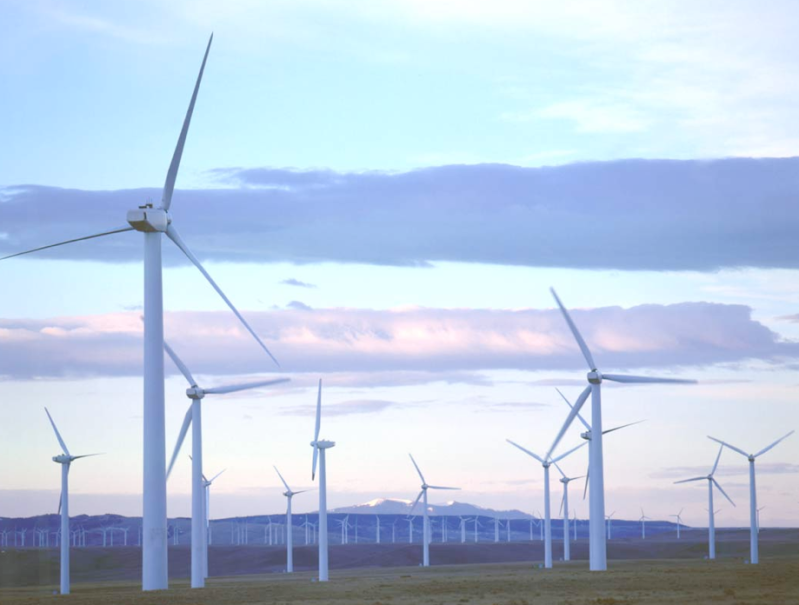
I think that steps toward a better tomorrow include small steps that will make our lives greener. Simple steps such as just recycling can drastically help. However, it takes everyone to solve the problem, because one person helps but if the world joined hands and fights this issue together we can accomplish great things.
Sarah Basss
Sustainability
Sustainability is the policies and strategies that meet society's needs without compromising the ability of future generations to meet their own needs according the the US EPA. http://www.epa.gov/sustainability/basicinfo.htm
Currently, the Gulf Coast has experienced tragedy with the busted oil rig in April of this year. It has left habitats destroyed, animals killed, and an overwhelming amount of Americans jobless. BP in an effort to repair the damage, is collecting surplus volumes of oil and natural gas daily, and are hiring unemployed workers to assist in the cleanup, however, with all of their impressive ideas to alleviate the damage, one must still question why more precautions were not taken in an effort to prevent the spill in the first place. http://www.bp.com/generalarticle.do It seems as though companies today worry about only today's problems instead of thinking about the damage that may be done in the future. If more ideas were put in place to protect the Coast, then the problem would have never occurred in the first place.
Another pressing issue is one that is so often seen in the summer which is stores blasting air conditioning with exterior doors wide open. It wastes unnecessary amounts of energy, and for what, cooling the sidewalks? According to the Independent Electricity System Operator, air conditioning takes up 30% of your total energy consumption, but by setting it to a more moderate temperature, and keeping the doors closed, we may be able to cut down the total energy consumption. http://www.citytv.com
Ciara Viola
Currently, the Gulf Coast has experienced tragedy with the busted oil rig in April of this year. It has left habitats destroyed, animals killed, and an overwhelming amount of Americans jobless. BP in an effort to repair the damage, is collecting surplus volumes of oil and natural gas daily, and are hiring unemployed workers to assist in the cleanup, however, with all of their impressive ideas to alleviate the damage, one must still question why more precautions were not taken in an effort to prevent the spill in the first place. http://www.bp.com/generalarticle.do It seems as though companies today worry about only today's problems instead of thinking about the damage that may be done in the future. If more ideas were put in place to protect the Coast, then the problem would have never occurred in the first place.
Another pressing issue is one that is so often seen in the summer which is stores blasting air conditioning with exterior doors wide open. It wastes unnecessary amounts of energy, and for what, cooling the sidewalks? According to the Independent Electricity System Operator, air conditioning takes up 30% of your total energy consumption, but by setting it to a more moderate temperature, and keeping the doors closed, we may be able to cut down the total energy consumption. http://www.citytv.com
Ciara Viola
Sustainability
The Living in the Environment definition of sustainability is the ability of the earth’s various natural systems and human cultural systems and economies to survive and adapt to changing environmental conditions indefinitely. The key words in this definition are adapt and survive since human disasters and natural disasters constantly change the environment. The natural systems around the world are constantly hit with various changes which require them to change and adapt in order to survive and grow.
One natural system many people around the world interact with is water. Oceans, rivers, streams, ponds, and lakes are all waterways that spread throughout every continent in the world. However, pesticides and chemicals often contaminate earth’s various water bodies making the water impure and unsafe. US Geological Survey decided to test the extent of pollution due to pesticides and fertilizers and came up with a staggering percentage. USA is known for its pristine beauty and safe drinking water compared to other countries, but the survey shows that pesticides and other chemical run-off pollutes over 65 percent of US streams. (http://www.scientificamerican.com/article.cfm?id=decade-long-examination-o) I have seen the effect of fertilizers and pesticides in the pond in my own backyard. Every year around spring time, people around the neighborhood spray their newly blooming plants with fertilizers and insecticides. However, they do not realize that the run-off created from rainfall washes those chemicals right into my pond. At one point we had koi fish swimming around, but within a month, seven out of the ten fish died due to excessive algae bloom created by run-off that stifled the oxygen in the water. Similarly, the problems with run-off transfer to the aquatic life within these streams and rivers. Fish in many streams which were contaminated with DDT run-off over 20 years ago in
Food is constantly in the minds of many Americans, especially with dinner portions that could feed three people. Unfortunately, the rest of the world is not so lucky. Malnutrition, pot bellies, and food shortages plague many poor cities in developing nations. Sustaining food for everyone in the world is a hard task to complete, yet, with planning and hard work is possible.
http://www.pollutionissues.com/Na-Ph/Pesticides.html
http://www.naturalnews.com/021409_childrens_nutrition_malnutrition.html
Friday, July 30, 2010
Sustainability
Sustainability is a conglomeration of many interlocking networks between environmental and human cultural systems. The environmental systems include the cycle of natural resources put together with natural services to end up with the natural cycle and the nutrient cycle. These cultural systems can include human activities in the economic, political and sociological environments. An example of how these two systems interact can be represented through a Carbon Dioxide Emissions Bill the Senate halted. Also politics has a heavy impact on how people reacted to the BP oil spill and the consequences of it. Economic spheres are affected by the water pollution and by the by-products of our own factories that provide jobs and food, but end up helping to destroy other staples of a region’s economy. However, there are some steps being taken to help sustainability, to slow down the destruction to the earth and hopefully reverse it, specifically attacking the sociological sphere and a more specific region of that: domestic life.
A bill as presented to the U.S. Senate known as a Cap-and Trade Bill would provide certain provisions that would make the most stubborn coal-burner eventually switch to a cleaner energy source. This bill would force big companies and states to cut back on CO2 emissions and would also provide a raise in the cost of oil and coal and would force people to use a more eco-friendly power source such as solar, wind, or nuclear energy. However, the bill was halted because the senate and even the White House could not get 60 senators to agree to the bill. Their argument? The bill would be a “‘job-killing energy tax’” (“Senate Halts Effort to Cap CO2 Emissions”). Due to the refusal to pass this bill, many of the companies that produce the alternate energy sources are turning their attention to states that have a greenhouse- gas emissions cap already in place. While the future of the alternate energy sources looks a bit bleak, it is not all bad; for example “solar energy is growing at a rate of 40% a year in terms of electrical power installed and is likely to continue to grow” (Ron Kenedi, qtd. in “Senate Halts Effort to Cap CO2 Emissions.”)
(The Wall Street Journal, July 23, 2010, “Senate Halts Effort to Cap CO2 Emissions”)
Politics also played a big role in the infamous BP oil spill. There were many controversies over the spill dealing with how to handle the clean up and the CEO as well as the blow to the tourist industry along the gulf coast. Also conspiracy theories started to circulate, and the result of it was an overdrawn response to the solution with a tug of war and a blame game. However the damage to the gulf ecosystems did not start, contrary to popular belief, a month after the spill, but, for the Louisiana Delta area in April. In April Louisiana officials decided to open the levees along the banks of the Mississippi River so the fresh water would push back the encroaching oil. A side affect of this strategy that worked for a short time was the drop in the salinity level. The oyster population of the marshes began to die. The oyster farmers were the first to notice this and became very concerned because Louisiana produces one third of the United States' oysters, making the industry a major staple of Louisiana’s economy. The farmers are concerned with a little bit more that just the oysters. Oysters are incredibly sensitive to their surroundings, so where they become sick or the population began to die; it’s not much longer until the environment around them becomes visibly affected. (The Wall Street Journal, July 20, 2010 “Fresh Water Aimed at Oil Kills Oysters”)
Louisiana’s fishing industry is not the only region affect by water pollution or oil spills; the Alaskan fishing industry has suffered several times due to spills, and Maine’s lobster industry relies on the purity of the water. The Chesapeake Bay is renowned for its blue crab and oyster fishing industry, but this economic staple is affect by water pollution. Chicken manure is used in some Maryland farms, and when the manure washes away in the tributaries that feed into the bay, it pollutes the water and affects the blue crab pollution as well as the oyster population. The oysters of the Bay help to purify the water making the cycle a perfect example of the natural capital cycle. Full natural capital is reach when natural resources work effortlessly with natural services. The state of either the natural resources that is being provided the natural service influences the natural capital. For example, the water pollution in the Bay has effect the oyster population. Not only are the oyster a big part of the Bay area’s economy; they help to purify the water, contributing a natural service. However, since the oysters are being over harvested and the water is so pollute, the oyster cannot purify it and that affects many other species as the water become more and more polluted. (For more: http://www1.american.edu/TED/bluecrab.htm http://www.thechesapeakebay.com/article/408/chesapeake)
While we continue to engage in harmful practices, there are examples of sustainability in action. Earthships are a totally self-sustainable domestic unit made of recyclable materials and “the way of the future.” The designer, Michael Reynolds, was an architect major from the University of Cincinnati. When he heard about the excessive littering in the city during the 70s, he decided to build a house out of the aluminum cans. The houses have virtually no utility bills because there is no air conditioning unit to because the house is built with the outer air in mind and has many features to control the inside temperature. There is a power box always built into the home that converts solar and wind energy into power. There is also a water panel with a filter to clean the water and to pressurize it for household use like any other conventional system. The natural; the water is recycled four separate times and purified for each different use. Also the homes have year round green houses so the owner can grow their own food. The houses are a step forward and have even pioneered a new division of architecture: Biotecture. The houses are an ultimate balance between human living and working to reverse the negative affect humans have on the environment.
(For more information see: http://earthship.com/
http://earthship.com/testimonials/my-hero-project-michael-reynolds-garbage-warrior
Earthships tour(you'll need to copy and paste these links): Part One: http://www.youtube.com/watch?v=L9jdIm7grCY
Part Two: http://www.youtube.com/watch?v=Rlrhxqat_6A&feature=channel)
A bill as presented to the U.S. Senate known as a Cap-and Trade Bill would provide certain provisions that would make the most stubborn coal-burner eventually switch to a cleaner energy source. This bill would force big companies and states to cut back on CO2 emissions and would also provide a raise in the cost of oil and coal and would force people to use a more eco-friendly power source such as solar, wind, or nuclear energy. However, the bill was halted because the senate and even the White House could not get 60 senators to agree to the bill. Their argument? The bill would be a “‘job-killing energy tax’” (“Senate Halts Effort to Cap CO2 Emissions”). Due to the refusal to pass this bill, many of the companies that produce the alternate energy sources are turning their attention to states that have a greenhouse- gas emissions cap already in place. While the future of the alternate energy sources looks a bit bleak, it is not all bad; for example “solar energy is growing at a rate of 40% a year in terms of electrical power installed and is likely to continue to grow” (Ron Kenedi, qtd. in “Senate Halts Effort to Cap CO2 Emissions.”)
(The Wall Street Journal, July 23, 2010, “Senate Halts Effort to Cap CO2 Emissions”)
Politics also played a big role in the infamous BP oil spill. There were many controversies over the spill dealing with how to handle the clean up and the CEO as well as the blow to the tourist industry along the gulf coast. Also conspiracy theories started to circulate, and the result of it was an overdrawn response to the solution with a tug of war and a blame game. However the damage to the gulf ecosystems did not start, contrary to popular belief, a month after the spill, but, for the Louisiana Delta area in April. In April Louisiana officials decided to open the levees along the banks of the Mississippi River so the fresh water would push back the encroaching oil. A side affect of this strategy that worked for a short time was the drop in the salinity level. The oyster population of the marshes began to die. The oyster farmers were the first to notice this and became very concerned because Louisiana produces one third of the United States' oysters, making the industry a major staple of Louisiana’s economy. The farmers are concerned with a little bit more that just the oysters. Oysters are incredibly sensitive to their surroundings, so where they become sick or the population began to die; it’s not much longer until the environment around them becomes visibly affected. (The Wall Street Journal, July 20, 2010 “Fresh Water Aimed at Oil Kills Oysters”)
Louisiana’s fishing industry is not the only region affect by water pollution or oil spills; the Alaskan fishing industry has suffered several times due to spills, and Maine’s lobster industry relies on the purity of the water. The Chesapeake Bay is renowned for its blue crab and oyster fishing industry, but this economic staple is affect by water pollution. Chicken manure is used in some Maryland farms, and when the manure washes away in the tributaries that feed into the bay, it pollutes the water and affects the blue crab pollution as well as the oyster population. The oysters of the Bay help to purify the water making the cycle a perfect example of the natural capital cycle. Full natural capital is reach when natural resources work effortlessly with natural services. The state of either the natural resources that is being provided the natural service influences the natural capital. For example, the water pollution in the Bay has effect the oyster population. Not only are the oyster a big part of the Bay area’s economy; they help to purify the water, contributing a natural service. However, since the oysters are being over harvested and the water is so pollute, the oyster cannot purify it and that affects many other species as the water become more and more polluted. (For more: http://www1.american.edu/TED/bluecrab.htm http://www.thechesapeakebay.com/article/408/chesapeake)
While we continue to engage in harmful practices, there are examples of sustainability in action. Earthships are a totally self-sustainable domestic unit made of recyclable materials and “the way of the future.” The designer, Michael Reynolds, was an architect major from the University of Cincinnati. When he heard about the excessive littering in the city during the 70s, he decided to build a house out of the aluminum cans. The houses have virtually no utility bills because there is no air conditioning unit to because the house is built with the outer air in mind and has many features to control the inside temperature. There is a power box always built into the home that converts solar and wind energy into power. There is also a water panel with a filter to clean the water and to pressurize it for household use like any other conventional system. The natural; the water is recycled four separate times and purified for each different use. Also the homes have year round green houses so the owner can grow their own food. The houses are a step forward and have even pioneered a new division of architecture: Biotecture. The houses are an ultimate balance between human living and working to reverse the negative affect humans have on the environment.
(For more information see: http://earthship.com/
http://earthship.com/testimonials/my-hero-project-michael-reynolds-garbage-warrior
Earthships tour(you'll need to copy and paste these links): Part One: http://www.youtube.com/watch?v=L9jdIm7grCY
Part Two: http://www.youtube.com/watch?v=Rlrhxqat_6A&feature=channel)
Wednesday, July 28, 2010
Sustainability
Sustainability is the ability of the Earth’s natural systems, the man-made systems, and economies to survive and adapt to changing environmental conditions. Natural capital, which is the natural resources and services that keep us as well as other forms of life alive and support are economies, is a vital component of sustainability. Natural resources are materials and energy in nature that are essential or useful to humans while natural services are functions of nature which support life and human economies. Due to various human activities, the degradation of natural capital has become a major concern because resources are being used more rapidly than they can be produced. In order to protect and preserve the Earth, it is our job to find solutions to problems such as preventing the degradation of the natural capital so that we can continue living for many generations. Even though environmentalists are attempting to prevent the degradation of the natural capital, their work is limited due to the political processes. Not only politics but many other conflicts are faced. In order to overcome these conflicts, often trade-offs or compromises are made. The greatest goal of an environmentally stable society is to meet the current and future basic resource needs of its people in a just and equitable manner without compromising the ability of future generations in order to meet their basic needs. Living a sustainable life means to live off the natural income, which includes renewable resources. By preserving the Earth’s natural capital, the earth provides the human population with access to natural income for the future. Today many economists put emphasis on environmentally sustainable economic development. This involves using political and economic systems to discourage environmentally harmful and unsustainable forms of economic growth that degrades natural capital and encourages environmentally beneficial and sustainable forms of economic development that help sustain natural capital. Scientists believe that in order to live sustainably we should know how life on the earth has survived and adapted to major changes in environmental conditions for billions of years. We could make the transition to a more sustainable society by relying on solar energy, biodiversity, population control, and nutrient cycling. Relying of solar energy means that we rely on the sun to warm the planet and we rely on it to support photosynthesis. Biodiversity on the Earth has provided many ways for life to adapt to changing environmental conditions. With the competition for the limited amount of resources, the population can be controlled. Lastly, with the nutrient cycling natural processes recycle chemical that plants and animals need to stay alive and reproduce.
Today, there are many problems that are degrading the Earth’s natural capital. A problem that has become a major deal since a few centuries ago is pollution. About two million premature deaths are caused by the air pollution in cities throughout the world. Even though many countries are taking precautions to prevent or even reduce pollution, the precautions taken are just not enough. The governments are creating laws to reduce pollution, and this is working but it is not enough to control all the damage that was made in the past as well as the damage being made in the present. However, small steps are being taken in order to preserve our Earth. For example, President Obama just proposed a new rule in order to prevent pollution with his new Coal Pollution Rule. This rule will reduce the amount of sulfur dioxide and nitrogen oxide being emitted each year. (http://www.lipmantimes.com/?p=13834) Not only the government but Americans are playing also their role to do as much as possible in order to preserve the Earth by carpooling. For example, in Florida by offering a vanpool program, which will help save money for the commuters as well as be a more environmentally friendly way to travel. In our community, whether you are going to a sports practice or the movies, many people choose to carpool together in order to reduce pollution. Small step like these will make a greater future for the generations that have yet to come.
Another major problem being faced is poverty. About 25,000 people die of hunger or issues related to hunger according to Poverty.com. Today, when we buy a $5 burger and if we do not like it, we tend to throw the food away and we go and get something else. However, people in the world are not as privileged as us. More than half of the world makes less then $2 per day, and in these two dollars the whole family has to be supported. Because of this poverty, there is often malnutrition. Malnutrition is mostly caused by “household food insecurity, lack of clean water, lack of knowledge on good sanitation, and lack of alternative sources of income" (http://www.adbi.org/discussionpaper/2005/01/14/869.malnutrition.poverty.indonesia/malnutrition.and.poverty/). Due to the lack of monetary support, people often rely on the environment to support them. Sometimes they exploit their resources, which ends up hurting them as well as the environment. For example, by using the same water to bath, wash your utensils, and drinking the same water will surely be malicious to one’s health. Often times underprivileged countries have no other choice but to participate in similar activities due to the lack of monetary support. It is very difficult for one person to end poverty, therefore everyone will have to take a few small steps to prevent it. For example, the biggest thing for us to do is to stop wasting food. Lately as awareness has been spread about the underprivileged children, there has been a decrease in the amount of wasted food as well as an increase in the amount recycling of the plastic bottles and milk galloons. In our community, the TFC is now offering a recycling program that goes from door to door to pick up recyclable items, which is way we can do our part to save the Earth. When individuals take small step such as this, we are taking a giant step for the preservation of the world. Not only recycling programs but other programs are trying to reduce poverty to make this world a better place. “Food for Work” programs have been established, in which adults are paid with food to build schools, dig wells, make roads, etc. This provides the nations with two benefits. Firstly, and the most important, this concept provides food for nourishment. Secondly, it improves the infrastructure of the country. Similarly, for children there is “food for education”, which provides children with food when they attend school. This, too, is a very positive step because it provides nourishment and education for the children to stand up in the future to help their country. By taking small steps in our lives, we can definitely make the environment a better place for ourselves, others as well as for the future.
Living in the Environment (Miller, 16th edition)
http://myecoproject.org/get-involved/pollution/
http://www.pnj.com/article/20100622/NEWS01/100622008
http://www.adbi.org/discussion-paper/2005/01/14/869.malnutrition.poverty.indonesia/malnutrition.and.poverty/
http://www.poverty.com/
http://www.tfcrecycling.com/suffolk/
Today, there are many problems that are degrading the Earth’s natural capital. A problem that has become a major deal since a few centuries ago is pollution. About two million premature deaths are caused by the air pollution in cities throughout the world. Even though many countries are taking precautions to prevent or even reduce pollution, the precautions taken are just not enough. The governments are creating laws to reduce pollution, and this is working but it is not enough to control all the damage that was made in the past as well as the damage being made in the present. However, small steps are being taken in order to preserve our Earth. For example, President Obama just proposed a new rule in order to prevent pollution with his new Coal Pollution Rule. This rule will reduce the amount of sulfur dioxide and nitrogen oxide being emitted each year. (http://www.lipmantimes.com/?p=13834) Not only the government but Americans are playing also their role to do as much as possible in order to preserve the Earth by carpooling. For example, in Florida by offering a vanpool program, which will help save money for the commuters as well as be a more environmentally friendly way to travel. In our community, whether you are going to a sports practice or the movies, many people choose to carpool together in order to reduce pollution. Small step like these will make a greater future for the generations that have yet to come.
Another major problem being faced is poverty. About 25,000 people die of hunger or issues related to hunger according to Poverty.com. Today, when we buy a $5 burger and if we do not like it, we tend to throw the food away and we go and get something else. However, people in the world are not as privileged as us. More than half of the world makes less then $2 per day, and in these two dollars the whole family has to be supported. Because of this poverty, there is often malnutrition. Malnutrition is mostly caused by “household food insecurity, lack of clean water, lack of knowledge on good sanitation, and lack of alternative sources of income" (http://www.adbi.org/discussionpaper/2005/01/14/869.malnutrition.poverty.indonesia/malnutrition.and.poverty/). Due to the lack of monetary support, people often rely on the environment to support them. Sometimes they exploit their resources, which ends up hurting them as well as the environment. For example, by using the same water to bath, wash your utensils, and drinking the same water will surely be malicious to one’s health. Often times underprivileged countries have no other choice but to participate in similar activities due to the lack of monetary support. It is very difficult for one person to end poverty, therefore everyone will have to take a few small steps to prevent it. For example, the biggest thing for us to do is to stop wasting food. Lately as awareness has been spread about the underprivileged children, there has been a decrease in the amount of wasted food as well as an increase in the amount recycling of the plastic bottles and milk galloons. In our community, the TFC is now offering a recycling program that goes from door to door to pick up recyclable items, which is way we can do our part to save the Earth. When individuals take small step such as this, we are taking a giant step for the preservation of the world. Not only recycling programs but other programs are trying to reduce poverty to make this world a better place. “Food for Work” programs have been established, in which adults are paid with food to build schools, dig wells, make roads, etc. This provides the nations with two benefits. Firstly, and the most important, this concept provides food for nourishment. Secondly, it improves the infrastructure of the country. Similarly, for children there is “food for education”, which provides children with food when they attend school. This, too, is a very positive step because it provides nourishment and education for the children to stand up in the future to help their country. By taking small steps in our lives, we can definitely make the environment a better place for ourselves, others as well as for the future.
Living in the Environment (Miller, 16th edition)
http://myecoproject.org/get-involved/pollution/
http://www.pnj.com/article/20100622/NEWS01/100622008
http://www.adbi.org/discussion-paper/2005/01/14/869.malnutrition.poverty.indonesia/malnutrition.and.poverty/
http://www.poverty.com/
http://www.tfcrecycling.com/suffolk/
Monday, July 26, 2010
Sustainability
According to Longwood University, sustainability can be defined as “meeting the needs of the present without compromising the ability of future generations to meet their own needs” as depicted in the 1987 Brundtland Report.
See: http://www.longwood.edu/sustainability/2009GreenCampusSite/index.html
As Americans, we have the tendency exceed our means and not worry about future consequences especially if the consequences will not directly affect us. This is characteristic for a variety of pursuits. If you are out of cash, charge it. Worry about the debt later. We pick the easy, get-it-now choice, the what-is-best-for-me-choice. Many pay no mind to their water consumption, energy usage, or the large volume of trash produced each week.
This month I have an Italian exchange student staying at my house. We laugh about the odd American quirks and funny Italian traditions. However, some differences between the two countries are disturbing. Giada tells me, that each week the waste truck comes to pick up her recycling, while another retrieves her compost. However, she only sees the trash man every other week. What is wrong with our country that many of us having not one barrel of trash picked up, but two, hardly recycle, let alone compost our kitchen waste? I am embarrassed for America. At the moment, I am reading a memoir called Sleeping Naked is Green by Vanessa Farquharson set in Canada. (http://greenasathistle.com/) She depicts an identical scene as Giada. Giada also tells me that the government conserves household energy uses. She says, for example, if the TV, computer, dishwasher, and washing machine are all in use, everything will shut off.
The United States needs to step up and take action. It starts when communities demand laws that better the environment. Individual citizens must realize they have a responsibility to other people to protect the planet. When everyone understands this, the nation can come together as one. On http://www.storyofstuff.com/ Annie Leonard describes our consumer society, the water bottle phenomenon, and others. She pleads activism in your local government.
Here in Suffolk our access to recycling programs has become easier than it was. By signing up for TFC Recycling, you can have curbside pickup twice a month for about $12 per month. http://www.tfcrecycling.com/services/
However, we still have a long way to come. Maybe we should all take some advice from Colin Beavan, so-called No Impact Man and follow his steps to become a greener person. http://noimpactman.typepad.com/
http://www.oxfamamerica.org/campaigns/climate-change/sisters-on-the-planet
http://www.thegreatsqueeze.com/
Subscribe to:
Posts (Atom)