Sustainability is everything we need for our well-being and survival. It also “creates and maintains the conditions under which humans and nature can exist in productive harmony that permit fulfilling the social, economic and other requirements of present and future generations” (What is sustainability? 1). Sustainability makes sure that we have materials, resources, and the water to protect our environment and human health. Sustainability gives us the ability to adapt to changing environmental conditions indefinitely.
In my opinion, a major issue with our environment is overpopulation. Sometime during 2011, the population is expected to reach seven billion. The rapid increase is is overwhelming the planet’s finite resources. Biodiversity is also being effected because of the growing human numbers. As the population multiplies, the demand for water, land, trees, and fossil fuels multiplies as well. Because of overpopulation, pollution has become a major problem. People drive more cars, throw away more trash, use more electricity, and cut down more trees, which causes pollution to increase.
We can reduce our population to a sustainable level by educating all people, a societal commitment to ensuring that all species are given a chance to live and thrive, and universal access to birth control. Also, “the mission of the Center for Biological Diversity is to stop the planetary extinction crisis wiping out rare plants and animals around the world” (Overpopulation: A Key Factor In Species Extinction 1). Family planning is also another way to prevent population from growing. Lastly, we need to educate the human population about the seriousness of overpopulation. Everyone knows how to help the environment, how to avoid AIDS, and that smoking is bad, but they do not know about the severity of overpopulation.
-Brooke S.
Saturday, August 20, 2011

Saturday, August 6, 2011
Sustainability
Sustainability involves studies to make sure consumed resources and a healthy environment are maintained through time to protect human health. concerns have arisen recently in response to rapid growth in the world's population. The United States Environmental Protection Agency (EPA) is active in working with issues and explaining how common people can make a difference in their everyday lives.
The EPA strives to make companies and households aware of issues such as excess waste and air pollution and how to fix them. Hazardous wastes can be results of processing and manufacturing as well as pesticides and cleaning supplies. Putting household hazardous wastes in the trash is allowed by law, but now many communities have collection programs to keep the contaminants out of the common trash and disposed of in a safer manner. Regular household trash includes food scraps, bottles, newspaper, etc. Much of the household trash can be recycled, and if done so properly, trash can be cut back by a large amount and reducing the amount of garbage entering landfills.
Learn The Issues (EPA)
A non-profit organization called A World Institute for s Sustainable Humanity (A W.I.S.H.) provides support for life sustaining activities and mix solutions for poverty and environmental problems. Some of these projects include safe drinking water around the world, safer farming practices, and increased use of solar power.
A W.I.S.H.
One of the biggest issues would be change in the world's climate. As human actives increase, the concentration of greenhouse gasses increase. the greenhouse gasses are a result of burning fossil fuels for energy to operate automobiles and power cities. as the population grows, the demand for fossil fuels increases and creates more greenhouse gasses. These greenhouse gasses trap heat from the sun in the atmosphere, raising overall global temperatures. This leads to extreme weather conditions like droughts, flooding, storms and tornadoes.
http://www.sustreport.org/issues/climate_ch.html
The DESERTEC Concept is based on the idea that within six hours, a desert receives more energy from the sun than humans can use in a year. This project also emphasizes on the proper placement of power plants in areas where clean natural energy is abundant. DESERTEC attempts to fill increasing energy needs and reduce emissions.
DESERTEC
The EPA strives to make companies and households aware of issues such as excess waste and air pollution and how to fix them. Hazardous wastes can be results of processing and manufacturing as well as pesticides and cleaning supplies. Putting household hazardous wastes in the trash is allowed by law, but now many communities have collection programs to keep the contaminants out of the common trash and disposed of in a safer manner. Regular household trash includes food scraps, bottles, newspaper, etc. Much of the household trash can be recycled, and if done so properly, trash can be cut back by a large amount and reducing the amount of garbage entering landfills.
Learn The Issues (EPA)
A non-profit organization called A World Institute for s Sustainable Humanity (A W.I.S.H.) provides support for life sustaining activities and mix solutions for poverty and environmental problems. Some of these projects include safe drinking water around the world, safer farming practices, and increased use of solar power.
A W.I.S.H.
One of the biggest issues would be change in the world's climate. As human actives increase, the concentration of greenhouse gasses increase. the greenhouse gasses are a result of burning fossil fuels for energy to operate automobiles and power cities. as the population grows, the demand for fossil fuels increases and creates more greenhouse gasses. These greenhouse gasses trap heat from the sun in the atmosphere, raising overall global temperatures. This leads to extreme weather conditions like droughts, flooding, storms and tornadoes.
http://www.sustreport.org/issues/climate_ch.html
The DESERTEC Concept is based on the idea that within six hours, a desert receives more energy from the sun than humans can use in a year. This project also emphasizes on the proper placement of power plants in areas where clean natural energy is abundant. DESERTEC attempts to fill increasing energy needs and reduce emissions.
DESERTEC
Monday, August 1, 2011
Sustainability
Sustainability is the endurance of change. This is very important for people and the earth today because the earth is always changing. With human’s constant research and development there is always new impacts on the earth. The sustainability of the earth is very important because people are constantly changing the way they treat the earth.
Before we knew about the thinning ozone layer, we were doing nothing to protect it; now however, we are trying to protect it, having learned what harm we have done to it. It has been known that aerosol cans have thinned out the ozone so these days less and less of those have been made, replaced with squirt bottles it is much better for the ozone layer. We have also caused much pollution to the air and water. This has caused many problems for the earth and its creatures, and while there is awareness of this happening, not everyone is helping the cause. There are new laws in order to reduce air and water pollution for all ecosystems, however it is still happening. One major innovation that will help change this is electric cars and not always using fossil fuel in order to run. In order to maintain sustainability of the earth all people need to become part of this cause to help the environment. (Hyperlink A)
The earth has had to sustain from no cars and big industrial buildings letting out air pollution with every move they make, to the world crowded with cars and big industrial buildings. The other big issue is deforestation, which is the clearing of the forests which trees are used for paper, houses, etc. This has had a huge affect on the whole environment, all ecosystems. This is being helped by all the new technology eliminating much of the use of paper materials. However, this is not used to the full affect that it could be and it would help very much to eliminate almost all paper materials by putting most books, textbooks, magazines, etc. onto paperless materials such as Ipads, Kendals, Tabs, etc. Technology like this has helped deforestation in the past few years, if it becomes more widespread though, it could help so much more. (Hyperlink B)
Things such as Earth Day, the hour that we turn off all of our lights, the EPA, and many other things are all steps for a more sustainable earth that we can still live on happily. (Hyperlink C) We have done many irreversible things to this earth’s environment and ecosystem that we can not take back, however we are taking actions to protect the earth and ecosystems that will keep the earth sustainable years from now.
Hyperlink A: http://education.nationalgeographic.com/education/encyclopedia/air-pollution/
Hyperlink B: http://environment.nationalgeographic.com/environment/global-warming/deforestation-overview/
Hyperlink C: http://www.emagazine.com/archive/2481
Lindsay E
Sustainability
Sustainability is a growing problem that needs to be addressed before it is too late for our Earth, and its population. The definition of sustainability can be applied to many different things but in this case the environment is the subject. Sustainability is the ability to maintain something, or to support the weight of an object. The global population has recently begun to realize that that in order for the Earth to sustain life it needs to be taken care of. This concept proves to be more difficult then in seems because it requires the human race to change our ways when we are all creatures of habit.
One of the more prominent issues facing the world today is air pollution. Many of our everyday activities affect the problem more then we would care to realize. London is the perfect example of the horrifying predicament. Many activists are dedicated to the cause because there were "4, 267 premature deaths in 2008 [that] were attributed to long-term exposure to air pollution." (Hyperlink A) The government of London was supposed to pass laws that would reduce the amount of air pollution, but they have yet to concur this issue. A tentative coarse of action is in place but health officials are sceptical of this plan because the government has been attempting to create a solution since 2005. This lack of solution continues to anger the citizens of London as they protest this horrible pollution.
One unlikely effort that people can make to better sustain our planet is to shop at the local fame rs' markets. This may seem like an odd thing to do but it assists the local economy and most of the products at these markets are organically grown. This difference in growing helps the Earth because the farmers do not use any chemicals to enhance their plants thus decreasing the pollution in the soil and the air. The smaller scale growth also does not require all of the massive equipment that omits carbon dioxide so the farmers are helping to sustain the environment whilst sustaining their own local economy. (Hyperlink B)
Hyperlink A- http://www.theecologist.org/News/news_analysis/991495/air_pollution_may_be_health_timebomb_for_londons_deprived_children.html
Hyperlink B- http://greenliving.nationalgeographic.com/shopping-farmers-market-2936.html
One of the more prominent issues facing the world today is air pollution. Many of our everyday activities affect the problem more then we would care to realize. London is the perfect example of the horrifying predicament. Many activists are dedicated to the cause because there were "4, 267 premature deaths in 2008 [that] were attributed to long-term exposure to air pollution." (Hyperlink A) The government of London was supposed to pass laws that would reduce the amount of air pollution, but they have yet to concur this issue. A tentative coarse of action is in place but health officials are sceptical of this plan because the government has been attempting to create a solution since 2005. This lack of solution continues to anger the citizens of London as they protest this horrible pollution.
One unlikely effort that people can make to better sustain our planet is to shop at the local fame rs' markets. This may seem like an odd thing to do but it assists the local economy and most of the products at these markets are organically grown. This difference in growing helps the Earth because the farmers do not use any chemicals to enhance their plants thus decreasing the pollution in the soil and the air. The smaller scale growth also does not require all of the massive equipment that omits carbon dioxide so the farmers are helping to sustain the environment whilst sustaining their own local economy. (Hyperlink B)
Hyperlink A- http://www.theecologist.org/News/news_analysis/991495/air_pollution_may_be_health_timebomb_for_londons_deprived_children.html
Hyperlink B- http://greenliving.nationalgeographic.com/shopping-farmers-market-2936.html
Sustainability
Sustainability can be defined as the ability of Earth's various systems, including human cultural systems and economies, to survive and adapt to changing environmental conditions indefinitely.
Sustainability is an important issue that many people are concerned with. They want future generations to be able to utilize the earth's resources, without depleting them.
One of the major problems threatening sustainability today is water pollution. Water pollution not only affects much of the population today, but it will have a lasting effect on future generations to come. Bodies of water can be polluted not only through materials entering the water, but through erosion, and thermal pollution as well. With many of America's rivers and lakes so polluted that fishing is not even made possible, something must be done. Water is one of the most vital resources on Earth, and while it is renewable, the damage of pollution may not always be irreversible. In order to correct some of the damage that has already been done, the government employed the Clean Water Act, and the Safe Drinking Water Act. These acts were passed to help ensure that the quality of water is safe enough to consume and utilize. Others can make a difference simply by not throwing or dumping anything into bodies of water, and helping to clean up.
Deforestation is an other issue that affects sustainability greatly. Trees all over the world serve many purposes. They are often habitats for different wildlife, but they take in carbon dioxide in order to grow. With an average of 3 billion to 6 billion trees being cut down each year, we are losing trees at a startlingly rapid pace. One of the major problems associated with deforestation, is the immense amount of carbon being released back into the atmosphere. This release contributes largely to depleting the ozone layer, and altering the climate. In order to fix this problem, the protection of forests, re-forestation, and sustainable logging are necessary. Organizations like the International Tree Foundation and The Arbor Day Foundation are dedicated to replanting trees all over the world, and ensuring that there will still be trees for the future.
I believe that sustainability is something that most of us strive for, and it is something that is achievable as well. If everyone took little steps to improve the quality of our world, that would still make a large difference. We should try to make our world a sustainable place to live in, not only for ourselves, but for future generations to come.
http://www.mbgnet.net/fresh/pollute.htm
http://www.greenpeace.org/international/en/campaigns/climate-change/science/deforestation/
Raghda A.
Sustainability is an important issue that many people are concerned with. They want future generations to be able to utilize the earth's resources, without depleting them.
One of the major problems threatening sustainability today is water pollution. Water pollution not only affects much of the population today, but it will have a lasting effect on future generations to come. Bodies of water can be polluted not only through materials entering the water, but through erosion, and thermal pollution as well. With many of America's rivers and lakes so polluted that fishing is not even made possible, something must be done. Water is one of the most vital resources on Earth, and while it is renewable, the damage of pollution may not always be irreversible. In order to correct some of the damage that has already been done, the government employed the Clean Water Act, and the Safe Drinking Water Act. These acts were passed to help ensure that the quality of water is safe enough to consume and utilize. Others can make a difference simply by not throwing or dumping anything into bodies of water, and helping to clean up.
Deforestation is an other issue that affects sustainability greatly. Trees all over the world serve many purposes. They are often habitats for different wildlife, but they take in carbon dioxide in order to grow. With an average of 3 billion to 6 billion trees being cut down each year, we are losing trees at a startlingly rapid pace. One of the major problems associated with deforestation, is the immense amount of carbon being released back into the atmosphere. This release contributes largely to depleting the ozone layer, and altering the climate. In order to fix this problem, the protection of forests, re-forestation, and sustainable logging are necessary. Organizations like the International Tree Foundation and The Arbor Day Foundation are dedicated to replanting trees all over the world, and ensuring that there will still be trees for the future.
I believe that sustainability is something that most of us strive for, and it is something that is achievable as well. If everyone took little steps to improve the quality of our world, that would still make a large difference. We should try to make our world a sustainable place to live in, not only for ourselves, but for future generations to come.
http://www.mbgnet.net/fresh/pollute.htm
http://www.greenpeace.org/international/en/campaigns/climate-change/science/deforestation/
Raghda A.
Sunday, July 31, 2011
Summer Assignment: Sustainability
Sustainability, in terms of environmental science, is the earth's ability to function continually through changes and adaptations. Living sustainably involves making concious efforts to reduce your negative environmental impact. While living in this manner during current times is becoming progressively more difficult due to expense, practicing a sustainable lifestyle untimately benefits our earth as a whole. One of the major environmental issues we face today that affects earth's sustainability is the pollution of water, particularly bodies of water that suppport ecosystems and are utilized as a resource. The pollution of water can be caused by multiple factors, most commonly through the dumping of hazardous wastes and the run off of lawn chemicals or car wash fluids. The protection of water sources links directly to sustainability beacause water is a vital element in the continuation of earth's survival. Efforts like "World Water Monitoring Day" allow people to test the "health" of local bodies of water, thus drawing attention to potentially polluted lakes, streams, rivers, and oceans. Forming habits like turning off dripping faucets, taking quick showers, and limiting unecessary water use can all help in preserving water and living sustainably.
Another major environmental issue jeopardising our sustainability is the cutting down of massive amounts of trees, or deforestation. This is detrimental because trees, like water, are vital to earth's function. They provide oxygen through respiration. Industries continue to harvest trees for lumber and other uses but new sustainable laws and regulations are being set to help over-cutting. Lumber companies in many cases are required to replant harvested lands in hopes of creating new growth.
Living sustainably may be the only answer to protecting our environment and resources in the future
Stuart G.
Sustainability -Thomas W.
Sustainability is the durability of something or how long something last, if you will. Sustainability deals with the economy, society, and the environment. Today, society is searching for more sustainable resources that will last longer and not harm the environment when they are used or thrown away. The problem is not all of society is willing to change their lifestyle or resources. Also, not all solutions to a more sustainable environment are the cheapest, this is where the economy plays a role. The more sustainable resources and solutions the world uses; the less harmful impact humans will leave in their footprints.
Sustainability efforts are not always seen as drastic changes. The little things make a big difference. Many grocery stores have moved to cloth bagging or biodegradable paper bags. A family that uses and reuse sustainable cloth bags for shopping or groceries rather than plastic bags can save up to 150 plastic bags from the landfill a year. Sure, those plastic bags can probably be squished into a good size ball, but imagine 300 million people using cloth too. To force people to stop using plastic, Ireland has placed a $.33 tax on every plastic bag used at checkout. This is the first nation to put a tax on plastic bags, maybe others will follow. Plus if you do have plastic bags from a store do not throw them away when you could recycle them. Recycle by using them again or using them as trash bags in small trashcans in your home. Cloth is a sustainable resource made from cotton and other materials. Cloth bags last a long time and can endure a lot of use.
Another sustainable solution is "greener" building materials for houses and buildings. Instead of using wood many new house especially on the beach are using a more durable manufactured product that looks and feels just like wood siding. This product does not nearly deteriorate as fast as wood and is made from recycled materials. The longer it last, the less rebuilding and destruction will have to be done. Wood is a good renewable resource but for places like the beach or mountain tops that get intense weather could look to this other product without making an exotic change to their house. Europe is actually looking at newer ways to construct their houses so their roofs collect water instead of flooding the streets. Hopefully, the USA will come up with solutions or ideas to conserve resources. The hardest part is change. People do not always want something different especially if it looks different.
However, the newer, greener construction is one of those long term solutions, the small everyday personal decisions help numerously.
Hyperlinks:
Sustainability Assignment
Sustainability is the earth’s ability to change and adapt to changing environmental conditions (Miller,LITE). Our planet will continue to adapt and change forever but, it cannot replenish its resources as fast as we can use them.
Deforestation is a huge problem, and while deforestation rates have slowed in the last few years, they have not slowed enough to make a large difference. Every day we cut down trees, destroying thousands of habitats and ecosystems. Did you know that 70% of the earth’s land animals and plants live in forests? Many of these animals cannot survive the deforestation of their homes. Steps are being taken to counteract the removal of forests. The number of tree plantations in the world grows each year. This will balance the cutting of the trees with the growth of new trees. However, these tree plantations only make up for a fraction of the trees that have already been cut down (National Geographic).
Another problem we are currently faced with is the deoxygenation of our oceans. Deoxygenation is the removal or loss of oxygen in an area (dictionary.com). In our oceans this can be caused by several factors including algae blooms, warming waters, and changing currents. The loss of oxygen makes it impossible to sustain life within these areas. The areas with enough oxygen loss to become uninhabitable are still few but scientists are already trying to head off the problem. They are considering the stimulation of plankton growth to lower CO2 levels. In order to stimulate plankton growth they would need to disperse large amounts of iron throughout the oceans. They are worried about the possibility of further deoxygenation so they are still looking for other options.(ARS Technica).
The World’s environments are being seriously affected by global warming and our uninhibited use of our natural resources. Whether you are concerned about your local park or a rainforest in South America finding a “greener” way to do the simplest task can make a difference.
Suatainability
Sustainability is the ability of the earth's natural systems, along with human cultural systems, to survive and adapt to changing environmental conditions (Miller, Living in the Environment). To sum it up, sustainability is earth bearing the weight of all living things. Every living thing has an affect on its ecosystem, and for the past 3.54 billion years most of earth's million species have been able to sustain themselves cleanly and seamlessly.
Ever since humans showed up 200,000 years ago, we have been determined to find new, improved, and easier ways to live. These solutions to every day problems, while effective, are not always the most delicate processes. One major problem that humans face today is finding energy sources. We as a species are dependant on devices like cars and cell phones that run on external energy sources like gasoline and other fossil fuels. These nonrenewable resources release harmful and even toxic gasses that destroy our atmosphere and create the greenhouse effect. This is "a process by which thermal radiation from a planetary surface is absorbed by atmospheric greenhouse gasses, and is re-radiated in all directions...energy is [then] transferred to the surface and the lower atmosphere" resulting in abormally high temperatures (wikipedia.org). In recent years, scientists have discovered and embraced a series of alternative and environmentally friendly energy sources, appropiately called "green" energy. These include wind, hydroelectric, solar, geothermal, and tidal energies. While effective and healthy for the earth, they are not as popular as fossil fules mainly because they are expensive, and difficult to use on a smaller scale. These problems are being addressed as a major concern (hyperlink A).
In 1970, the government created the National Environmental Policy Act, or NEPA. They formally established a national goal to create and maintain conditions in which humans and nauture can live in productive harmony (epa.gov). Over the past 30 years, it has become a point for the Environmental Protection Agency (EPA) to contribute to our earth by means of public education and renewable resources. They focus on pollution prevention rather than pollution control. Advances in renewable energy and solutions to pollution are being made every day, and the best thing the public can do help is to educate themselves (hyperlink B).
Hyperlink A:
http://en.wikipedia.org/wiki/Energy_development#Fossil_fuels
Hyperlink B:
http://www.epa.gov/sustainability/basicinfo.htm
Jennifer J.
Ever since humans showed up 200,000 years ago, we have been determined to find new, improved, and easier ways to live. These solutions to every day problems, while effective, are not always the most delicate processes. One major problem that humans face today is finding energy sources. We as a species are dependant on devices like cars and cell phones that run on external energy sources like gasoline and other fossil fuels. These nonrenewable resources release harmful and even toxic gasses that destroy our atmosphere and create the greenhouse effect. This is "a process by which thermal radiation from a planetary surface is absorbed by atmospheric greenhouse gasses, and is re-radiated in all directions...energy is [then] transferred to the surface and the lower atmosphere" resulting in abormally high temperatures (wikipedia.org). In recent years, scientists have discovered and embraced a series of alternative and environmentally friendly energy sources, appropiately called "green" energy. These include wind, hydroelectric, solar, geothermal, and tidal energies. While effective and healthy for the earth, they are not as popular as fossil fules mainly because they are expensive, and difficult to use on a smaller scale. These problems are being addressed as a major concern (hyperlink A).
In 1970, the government created the National Environmental Policy Act, or NEPA. They formally established a national goal to create and maintain conditions in which humans and nauture can live in productive harmony (epa.gov). Over the past 30 years, it has become a point for the Environmental Protection Agency (EPA) to contribute to our earth by means of public education and renewable resources. They focus on pollution prevention rather than pollution control. Advances in renewable energy and solutions to pollution are being made every day, and the best thing the public can do help is to educate themselves (hyperlink B).
Hyperlink A:
http://en.wikipedia.org/wiki/Energy_development#Fossil_fuels
Hyperlink B:
http://www.epa.gov/sustainability/basicinfo.htm
Jennifer J.
Sustainability- Shelly J.
Sustainability is how humans, natural systems, and economies survive on the available amount of natural resources without destroying these resources faster than they can replenish. This is an important part of life because if humans do not conserve resources, then some may start to disappear. People should try to live and keep this idea in mind so future generations have access to the same resources as previous ones.
One of the major problems today deals with rising levels of greenhouse gases. A greenhouse gas is a gas that emits and absorbs radiation. One of the major gases is carbon dioxide, and levels of carbon dioxide have risen since the industrial revolution and the burning of fossil fuels. China and India are major contributers to this problem because of their dependence on coal power. Carbon emissions have grown less than one percent per year since the 1990's. Since 2000, they have a growing rate of 35 percent per year. There has been no decline from 2000 to 2008. These gases have reached a point where they can cause drastic climate changes. These greenhouse gases can cause disasters such as destructive sudden heavy rains, strong tropical storms, and repeated flooding, to increase.
To help this problem, the EPA has enforced a mandatory reporting rule of greenhouse gases. Large companies and supplies have to supply the EPA with data and other information to help with future policies and hopefully help reduce the levels of these harmful gases.
Another problem deals with the problem of too many plastic bags "floating" around the environment. Plastics cannot biodegrade, and stray bags account for one to three percent of the hundreds of billions produced each year. These bags are found everywhere, even in bodies of water. Marine life suffers because the bags are ingested by the animals, and they die of starvation due to a blocked stomach. An example of this would be a sea turtle seeing a plastic bag and mistaking it for a jellyfish. Stray plastic bags can also cause health problems for humans as well. They can clog sewer pipes, which cause standing water. An easy solution to this problem is to start using cloth bags. Cloth bags only cost one dollar at most stores, and they can save the lives of many fish.
Hyperlinks:
http://www.epa.gov/climatechange/emissions/ghgrulemaking.html
http://www.globalstewards.org/issues.htm
http://environment.about.com/od/recycling/a/reusablebags.htm
One of the major problems today deals with rising levels of greenhouse gases. A greenhouse gas is a gas that emits and absorbs radiation. One of the major gases is carbon dioxide, and levels of carbon dioxide have risen since the industrial revolution and the burning of fossil fuels. China and India are major contributers to this problem because of their dependence on coal power. Carbon emissions have grown less than one percent per year since the 1990's. Since 2000, they have a growing rate of 35 percent per year. There has been no decline from 2000 to 2008. These gases have reached a point where they can cause drastic climate changes. These greenhouse gases can cause disasters such as destructive sudden heavy rains, strong tropical storms, and repeated flooding, to increase.
To help this problem, the EPA has enforced a mandatory reporting rule of greenhouse gases. Large companies and supplies have to supply the EPA with data and other information to help with future policies and hopefully help reduce the levels of these harmful gases.
Another problem deals with the problem of too many plastic bags "floating" around the environment. Plastics cannot biodegrade, and stray bags account for one to three percent of the hundreds of billions produced each year. These bags are found everywhere, even in bodies of water. Marine life suffers because the bags are ingested by the animals, and they die of starvation due to a blocked stomach. An example of this would be a sea turtle seeing a plastic bag and mistaking it for a jellyfish. Stray plastic bags can also cause health problems for humans as well. They can clog sewer pipes, which cause standing water. An easy solution to this problem is to start using cloth bags. Cloth bags only cost one dollar at most stores, and they can save the lives of many fish.
Hyperlinks:
http://www.epa.gov/climatechange/emissions/ghgrulemaking.html
http://www.globalstewards.org/issues.htm
http://environment.about.com/od/recycling/a/reusablebags.htm
Sustainability
The term sustainability, in ecology, is used to describe how ecosystems stay productive as well as diverse over time. There are many problems that can threaten the earth’s sustainability, but one stands above the rest in the long run, overpopulation. Overpopulation by definition is excessive population of an area to the point of overcrowding, depletion of natural resources, or environmental deterioration. There are many reasons for the rapid growth in population within the last 500 years such as better hygiene, mass food production, medicine, and technology in general. If the earth does in fact become overpopulated eventually, then there will be a detrimental series of problems that will plague the earth. One of those problems will be the scarcity of resources, because of the population size nearly all of the arable land on earth will be turned into some form of urban complex thus leaving no room for farmlands. When there is no room for farmlands that means that agricultural production will have dwindled to nearly nothing. Also with a over capacitated Earth will be more health problems across the board, with a large population the inhabitants of earth will be densely populated meaning that contagious disease will spread much quicker, harming more people than ever before. In the past 50 years there have been some major changes in the world in attempt to control the population. In 1970 the United States enacted Title X of the Public Health Service Act, this act provides access to contraceptive services, supplies, and information to those who seek it. Also in 1978 China introduced its One-child policy, this policy highly discourages having more than one child. Chinese officials claim that since the policy's enactment over 250 million births have been prevented. Even though overpopulation is not a global problem at the moment, we need to start thinking of plans for the future.
Parker
http://www.buzzle.com/articles/overpopulation-problems.html
http://overpopulation.org/
Parker
http://www.buzzle.com/articles/overpopulation-problems.html
http://overpopulation.org/
Sustainability
Sustainability can be defined as a way to "meet present needs without compromising the ability of future generations to meet their needs"(WECD, 1987). The problems with the environment must be solved without endangering the later generation's resources. Overpopulation has become a problem because of the many resources needed by people daily. As technology increases the population increases because it is believed we can handle more. The world population is projected to reach 7 billion by early 2012 and later to exceed 9 billion by 2050. Most of the increase will come in developing countries, which will also develop and start to use more of the environment's resources. We are already quickly depleting our resources and this increase will only accelerate the problem. Industries are also expanding throughout the land, which takes land away from the population of people. This causes more people to live in a small area rather than spread throughout. A solution to this would be education, so that we are able to come together and create alternative sources of energy. If we learn more about these resources, we will be able to slow the problems of overpopulation or explore new energy ideas. The rapid use of our natural resources is relatively recent and could quickly be depleted if actions are not taken to slow the population or create alternative sources. As we learn more of these resources and the challenges we face with overpopulation, a solution will hopefully come to sustain the environment for many more years. With the constant growth of people in the fixed area of Earth, a solution is needed to sustain life for future generations.
Ian
http://www.sevenwords.org/human-overpopulation-causes-effects-and-solutions/
http://www.sciencedaily.com/releases/2009/04/090418075752.htm
Ian
http://www.sevenwords.org/human-overpopulation-causes-effects-and-solutions/
http://www.sciencedaily.com/releases/2009/04/090418075752.htm
Sustainability - Corin S.
The definition of sustainability for people “calls for policies and strategies that meet society’s present needs without compromising the ability of future generations to meet their own needs”, but in nature it is an environments ability to deal with and adjust to change. Sustainability can be used in many different ways such as a sustainable work place, environment, recourses, etc.
On a large scale the Earth’s sustainability is in danger because of the decreasing fossil fuels and the pollution these fossil fuels cause due to the emissions they produce when burned. The decrease in fossil fuels will eventually cause feuds between countries over them and therefore cause disruption in the sustainability of the countries and governments. The pollution these fossil fuels produce when burned will cause disruption within the natural environments throughout the world. This pollution may cause the ozone to collapse, mutations in plants and animals, and if not taken care of may create unlivable conditions on Earth.
One of the major problems with sustainability is that doing the right thing takes extra effort. People, businesses, and governments will follow laws put in place that call for people to do the right thing, but many will not do it by choice just because it takes extra effort or is an inconvience. For example recycling, using energy efficient tools and machines, and car pulling. These are three considerable simple things to do, but because they are an inconvenience or require more effort not many people do them regularly. Luckily the EPA is creating new ways to cut down or prevent pollution without making it an inconvenience to businesses and people. Programs to reduce pollutants, public-private partnerships, reporting by industry, and voluntary programs, were all implemented to help businesses to not only meet but to exceed environmental requirements.
http://www.awarenessintoaction.com/whitepapers/implementing-sustainability-strategies.html
http://www.epa.gov/sustainability/basicinfo.htm - sustainability
Jerre Stallings-Sustainability
The definition of sustainability is “improving the quality of human life within the carrying capacity of supporting ecosystems”(Wikipedia.org). A huge threat to Earth’s sustainability is the use of fossil fuels and through using fossil fuels, the dwindling supply of energy resources on Earth. Big business did not set their sights on petroleum until the late 1800’s, but when drilling began the business boomed and the world’s demand for oil skyrocketed. If Earth’s supply was first tapped roughly 130 years ago (with a limited supply) it is only a matter of time until the lack of petroleum becomes a problem. Once we get down to only our reserves not only gas prices will go up, but all petroleum products. This could cause economic collapse or even war over the reserves of petroleum. Also, without effective alternative energy sources there may an issue with electrical power, with the lack if fossil fuels.
There are a few actions being taken to ease and slow the inevitable depletion of our fossil fuels. The government is taking “energy audits” to figure out where people use the most energy, which portion is wasteful, and alter the application of energy accordingly. Another method to help stifle the depletion of fossil fuels is to come up with alternative energy sources. Such as hydrogen fueled cars or large wind farms, to provide a few examples. Hopefully the proper action will be taken to prevent all of the consequences.
Jerre Stallings
http://www.tetonvalleynews.net/news/article_241316c4-e207-11df-ae5a-001cc4c002e0.html
Jerre asked me to post this because he was having difficulties accessing his account.
There are a few actions being taken to ease and slow the inevitable depletion of our fossil fuels. The government is taking “energy audits” to figure out where people use the most energy, which portion is wasteful, and alter the application of energy accordingly. Another method to help stifle the depletion of fossil fuels is to come up with alternative energy sources. Such as hydrogen fueled cars or large wind farms, to provide a few examples. Hopefully the proper action will be taken to prevent all of the consequences.
Jerre Stallings
http://www.tetonvalleynews.net/news/article_241316c4-e207-11df-ae5a-001cc4c002e0.html
Jerre asked me to post this because he was having difficulties accessing his account.
Sustainability Summer Assignment
In 1987, at a United Nations conference, the word sustainability was given the meaning "the ability of meeting needs in the present without compromising the ability of future generations to meet their needs". To put it simply, in order to ensure a clean and healthy future for our children and grandchildren, we must take care of our Earth. Sustainability in my eyes is the Earth's ability to hold strong and support us and the many environments that it possess, and our ability to do what we can to assist it in longevity and survival.
The Earth is often powerless in the preservation of some natural habitats once humans move in and use the land for its resources, industry, and urbanization. As we gather resources and tear back the land, animals and plants lose water, shelter, and food; all basic necessities for sustaining life. When most people think of habitat destruction, the most common image is deforestation in the rain forest. A form of habitat destruction that many people do not consider is prominent right here in the United States. Roadways cut across much of the land in the United States, breaking up ecosystems and thus degrading the environment to the point where nothing can survive. Another form of habitat destruction began hundreds of years ago when the settlers came to America and removed forests to make room for crop land. Habitat destruction is not limited to the land though, it also exists for marine life. However, the Earth shares some of the blame for the loss of marine habitats as tsunamis and hurricanes can drastically upset the lives of marine plant and animals, but humans are still largely at fault for the destruction of marine ecosystems. To provide new urban and industrial areas, wetlands and marshes are filled in, and since they produce chemicals that are dangerous to living things, quickly kill fish and other underwater life. The tourism industry brings hundreds of boaters, swimmers, and scuba divers into contact with ecosystems and organisms such as coral reefs that are very susceptible to damage. The production of dams prevent nutrients from flowing and fish from migrating. Oil spills also damage marine life, and an example o one would be the 2010 BP oil spill in the Gulf of Mexico. Many miles of coastal land in Louisiana, Mississippi, and Florida was confirmed to have been contaminated with oil.
Nature preserves and wildlife refuges help to combat habitat destruction, as well as steps that are being taken to lessen the amount of deforestation in certain areas. A recommended method for preserving habitats at home is to plant a diverse, but sustainable, garden in your backyard that can house many different species of animals and plants. We all live on this Earth, so it isa important that we all do our share to take care of it.
Sustainability Summer Assignment
Sustainability is defined by the U.S. Environmental Protection Agency as the traditional definition of sustainability calls for policies and strategies that meet society’s present needs without compromising the ability of future generations to meet their own needs. In other words, present ideas without compromising the ability of future generations to meet their own needs. We all know that global warming is a apparent problem in the world, and we need to find new ways to deal with it. Several countries are attempting to put an end to this, and so far, their ideas are working.
Chemical pollution is becoming a problem in many countries, especially countries with a low standard of living. In many of those places, chemical factories are present, where waste is generated on a regular basis. The problem they are faced with is what to do with the chemical waste that is generated. Most poor countries just leave the waste wherever they want, thinking nothing will happen to it. But the problem is...that waste stays in the atmosphere and the earth for hundreds of years causing massive amounts of damage. So the U.S. Environmental Protection Agency developed something called "green chemistry" where they design chemical products and processes to reduce or eliminate the use or generation of hazardous substances. Green chemistry provides a number of benefits such as reduced waste, eliminating costly end-of-the-pipe treatments, safer products, reduced use of energy and resources, and improved competitiveness of chemical manufacturers and their customers.
Nanotechnology is the art and science of manipulating matter at the nanoscale to create new and unique materials and products. Nanotechnology has been estimated to have a massive effect on society. With a $9 billion investment per year, it is expected to lead to new medical treatments and tools, more efficient energy production, storage and transmission, better access to clean water, more effective pollution reduction and prevention, and stronger, lighter materials. Nanotechnology concerns materials and working devices that are engineered on a scale of atoms and molecules, and it is estimated that by 2020. $1 trillion worth of products could be nano-engineered in some way.
http://www.epa.gov/greenchemistry/
http://www.nanotechproject.org/topics/nano101/
Chemical pollution is becoming a problem in many countries, especially countries with a low standard of living. In many of those places, chemical factories are present, where waste is generated on a regular basis. The problem they are faced with is what to do with the chemical waste that is generated. Most poor countries just leave the waste wherever they want, thinking nothing will happen to it. But the problem is...that waste stays in the atmosphere and the earth for hundreds of years causing massive amounts of damage. So the U.S. Environmental Protection Agency developed something called "green chemistry" where they design chemical products and processes to reduce or eliminate the use or generation of hazardous substances. Green chemistry provides a number of benefits such as reduced waste, eliminating costly end-of-the-pipe treatments, safer products, reduced use of energy and resources, and improved competitiveness of chemical manufacturers and their customers.
Nanotechnology is the art and science of manipulating matter at the nanoscale to create new and unique materials and products. Nanotechnology has been estimated to have a massive effect on society. With a $9 billion investment per year, it is expected to lead to new medical treatments and tools, more efficient energy production, storage and transmission, better access to clean water, more effective pollution reduction and prevention, and stronger, lighter materials. Nanotechnology concerns materials and working devices that are engineered on a scale of atoms and molecules, and it is estimated that by 2020. $1 trillion worth of products could be nano-engineered in some way.
http://www.epa.gov/greenchemistry/
http://www.nanotechproject.org/topics/nano101/
Saturday, July 30, 2011
Sustainability
To sustain is defined as "to endure without giving way or yielding" (Dictionary.com). But really no one ever goes around quoting dictionaries. Sustainability to me is the ability of our environment and the ecosytems that we are a part of to keep going and support us. But we also have a part in sustainability, we need to realize the connections between us and the environment and do all we can to lessen our carbon footprint and give back to the environment that we take so much from.
One of our biggest problems worldwide is that our world population is so large we must produce large quantities of food to support it. Chemicals such as pestisides are aiding in the production of these foods. Up until recently, the use of pesticides was widely acknowledged as an easy way to produce more food crops. This was common practice until reseachers found that pesticides used in farming can accumulate in groundwater and contaminate freshwater supplies used for drinking, cooking, and bathing. This is not such a problem in the United States where there are many sources of drinking water and we have access to new technology in agriculture that allow us to not rely on the use of pesticides to produce food. But on other continents such as Africa and Asia where most of the population lives in rural communities with only small sources of freshwater, pesticides are still used because there is a lack of technology and funds to change agriculutural techniques. These pesticides wreak havoc on what little water is available to the people. (Hyperlink A)
With the adoption of a more green outlook on agriculture in the United States and other countries, there has been a bigger push to eliminate the use of pesticides worldwide. In Africa, there has been a green revolution by many rural women's networks in Africa to move away from industrialization and move towards family farming. This would eliminate the big push for producing mass amounts of food by many big name companies. This revolution also involves gathering African farming knowledge and technologies that can be used to educate people on ways of farming without the use of pesticides and other harmful chemicals. This green revolution in Africa can be used as an example that a worldwide policy against pesticides can be achieved. An elimination of pesticides would lead us closer to understanding our connections with the environment and thus sustainability. (Hyperlink B)
Hyperlink A: http://www.ota.com/organic/health/environment/pesticides/environment.html
Hyperlink B: http://www.theecologist.org/investigations/food_and_farming/908604/africas_green_revolution_20_rejecting_agribusiness_pesticides_and_gm_greenwash.html
One of our biggest problems worldwide is that our world population is so large we must produce large quantities of food to support it. Chemicals such as pestisides are aiding in the production of these foods. Up until recently, the use of pesticides was widely acknowledged as an easy way to produce more food crops. This was common practice until reseachers found that pesticides used in farming can accumulate in groundwater and contaminate freshwater supplies used for drinking, cooking, and bathing. This is not such a problem in the United States where there are many sources of drinking water and we have access to new technology in agriculture that allow us to not rely on the use of pesticides to produce food. But on other continents such as Africa and Asia where most of the population lives in rural communities with only small sources of freshwater, pesticides are still used because there is a lack of technology and funds to change agriculutural techniques. These pesticides wreak havoc on what little water is available to the people. (Hyperlink A)
With the adoption of a more green outlook on agriculture in the United States and other countries, there has been a bigger push to eliminate the use of pesticides worldwide. In Africa, there has been a green revolution by many rural women's networks in Africa to move away from industrialization and move towards family farming. This would eliminate the big push for producing mass amounts of food by many big name companies. This revolution also involves gathering African farming knowledge and technologies that can be used to educate people on ways of farming without the use of pesticides and other harmful chemicals. This green revolution in Africa can be used as an example that a worldwide policy against pesticides can be achieved. An elimination of pesticides would lead us closer to understanding our connections with the environment and thus sustainability. (Hyperlink B)
Hyperlink A: http://www.ota.com/organic/health/environment/pesticides/environment.html
Hyperlink B: http://www.theecologist.org/investigations/food_and_farming/908604/africas_green_revolution_20_rejecting_agribusiness_pesticides_and_gm_greenwash.html
Friday, July 29, 2011
Sustainability Summer Assignment!!!
What is sustainability? You can look in a book and get the technical definition as how earth "survive[s] and adapt[s] to changing conditions," (Miller, Spoolman 8); but what is it really? Sustainiability is earth's ability to recover from something that happens to it. Whether it is loss of resources or ecological damage, sustainability will make sure that the earth can recover.
(Article 1)
One way the earth sustains itself is by the use of trees to capture harmful carbon compounds in the atmosphere and release pure oxygen. However, as we all know, deforestation, one of the main ecological problems today, is reducing nature's ability to absorb carbon emissions. But all hope is not lost.
According to an international study conducted earlier in the year, although the average size of forests throughout the world is shrinking, a rising forest density in many of those areas is working to offset the small size. The study showed that even though forest area became smaller, on average in North America, the amount of carbon stored in forests has increased in the last ten years, which indicates higher forest density. The reason for the rise in density has been attributed to trees that were planted a few decades ago and are now maturing into fully-grown forests. This rising forest density could help deduce carbon emissions caused by human pollution.
Trees may be able to help absorb carbon in the air, but they are only a short term solution. In order for the earth to truly be sustainable, the human race must lower the amount of carbon they put in the air. One way to do that is to limit one of the elading causes of pollution: product manufacturing. In almost all production, there are machines to gather the materials, machines to combine them, machhines to form the product, and machines to package it. All of those machines run on fuel and that fuel being burnt and used results in carbon emissions.
One of the worst things to produce is cement, but unfortunately, it is everywhere in the city. Making cement in volves heating limestone which releases tons of carbon dioxide and uses massive amounts of fuel. So, is there a way to still produce the useful and sturdy cement and also reduce the environmental toll on our planet? Fortunately, there is.
(Article 2)
A newer and greener production method is in practice in California. By putting the cement production facility next to a power plant, machines can siphon the emissions from the plant. By running that carbon dioxide gas through dirty water, the gas will bond with minerals in the water. The end result is cement without the need for heating limestone and removes mch of the carbon released. Perhaps this production method will set the pace for cement producers world wide. By changing the way that we use our resources, we may truly understand the meaning of sustainability.
(Article 1)
One way the earth sustains itself is by the use of trees to capture harmful carbon compounds in the atmosphere and release pure oxygen. However, as we all know, deforestation, one of the main ecological problems today, is reducing nature's ability to absorb carbon emissions. But all hope is not lost.
According to an international study conducted earlier in the year, although the average size of forests throughout the world is shrinking, a rising forest density in many of those areas is working to offset the small size. The study showed that even though forest area became smaller, on average in North America, the amount of carbon stored in forests has increased in the last ten years, which indicates higher forest density. The reason for the rise in density has been attributed to trees that were planted a few decades ago and are now maturing into fully-grown forests. This rising forest density could help deduce carbon emissions caused by human pollution.
Trees may be able to help absorb carbon in the air, but they are only a short term solution. In order for the earth to truly be sustainable, the human race must lower the amount of carbon they put in the air. One way to do that is to limit one of the elading causes of pollution: product manufacturing. In almost all production, there are machines to gather the materials, machines to combine them, machhines to form the product, and machines to package it. All of those machines run on fuel and that fuel being burnt and used results in carbon emissions.
One of the worst things to produce is cement, but unfortunately, it is everywhere in the city. Making cement in volves heating limestone which releases tons of carbon dioxide and uses massive amounts of fuel. So, is there a way to still produce the useful and sturdy cement and also reduce the environmental toll on our planet? Fortunately, there is.
(Article 2)
A newer and greener production method is in practice in California. By putting the cement production facility next to a power plant, machines can siphon the emissions from the plant. By running that carbon dioxide gas through dirty water, the gas will bond with minerals in the water. The end result is cement without the need for heating limestone and removes mch of the carbon released. Perhaps this production method will set the pace for cement producers world wide. By changing the way that we use our resources, we may truly understand the meaning of sustainability.
Tuesday, July 26, 2011
Sustainibility Blog 7-26-11
In order to understand the challenge of overcoming environmental issues, we must first understand the concept of sustainability. Sustainability is the ability of a natural or human system to remain diverse and adapt to a changing environment, which on the human side includes their environmental, economic, and cultural developments. The concept of sustainability has recently become a hot topic for environmentalists trying to protect and sustain our natural resources world-wide, and by understanding just how the environment works, hopefully this means good news for subduing our only home’s biggest threat.
Some of our biggest problems in sustaining our Earth’s natural resources come from small, every day activities that are easily fixed. For example, our automobiles are putting out huge carbon footprints and wasting large amounts petroleum oil, an non-renewable resource we depend on. However, we can reduce fuel costs by up to 33% a year by braking and accelerating evenly and slowly. By taking your car in for regular maintenance, you can fix problems putting a strain on your engine early, and save yourself both car trouble and gas-guzzling expenses. This same concept of regular maintenance can be applied in your home as well. According to National Geographic, checking your household appliances for proper function can save energy as well, for those not functioning properly will waste much more energy. If there is a problem, switching to Energy Star appliances and florescent light bulbs will help save even more energy. Another way to save energy is to buy from local producers and farmers, which will eliminate fuel transport costs. You can reduce your garbage, saving energy that would otherwise have been spent on the processing of the waste. However, one of the biggest tips on saving energy is to get educated about the environment and sustainability problems, a tip that can be applied not only in your home, but in large factories and cities that are adopting energy saving techniques as well. (Hyperlink A) (Hyperlink B)
The struggle for using energy-efficient and environmentally sustainable techniques is not just being fought inside homes. In 2007, a tornado ripped apart the city of Greensburg, Kansas. Leaving the city razed to the ground, Greensburg had a chance to start over and adapt all new green practices. As inspiration, they looked back at the environmentally sustainable pioneers who settled Kansas, the people who lived in sod houses, used only what resources were available to them, and understood the environment and how to utilize it. In order to rebuild their city, the people of today’s Greensburg passed regulations to ensure that what they were doing was environmentally aware. All non-residential buildings over 4,000 square feet must be Leadership in Energy and Environmental Design (LEED) platinum, the highest standard in place by the US Green Building Council. They are extremely close to using wind power as their only source of energy, and they are the first community in the U.S. to use all LED street lights, which only requires 60% as much energy as the lights they had previously. By using cisterns to collect runoff water, they are able to use the runoff to irrigate their native street plantings. All these changes have lessened their carbon footprint by over 40 tons of carbon dioxide a year, a total of 80,000 pounds less going into our atmosphere. These are major changes that are not impossible for a city to undertake, and by implementing them in cities nation, and eventually world, wide, we can majorly reduce the carbon footprints we are leaving in tremendous quantities. However, with a project like that, it is necessary that we have a leader show us what needs to be done, a leader such as the U.S. military. (Hyperlink C)
The U.S. military, an extremely large and powerful group of innovators, is constructing a new energy efficient office complex in Virginia at Fort Belvoir, aiming to qualify for LEED gold certification. This new office complex sports an energy efficient “green roof” which is covered with actual greenery to provide insulation and cooling effects. The landscaping also utilizes its drought resistant native plants for its outdoor irrigation needs, and maximizes efficiency through low-flow plumbing features, energy efficient light bulbs, and lower-walled cubicles to help air circulation and maximize daylight for lighting. This facility has over 300 bike racks and a shower facility for biking in adverse conditions, a mass transit center for buses and shuttles, and special accommodations for those who carpool or drive hybrid cars. All of these environmentally aware accommodations use 30% less electricity and half the water of conventional buildings, and the U.S. military hopes other buildings, large and small, will also begin to take the lead in environmental engineering. Changes are taking place in all areas of life, whether it’s in a city, large office complex, or in your own home. By making small changes in our lifestyles, we can conserve large amounts of energy and reduce pollution, two of our largest environmental challenges to date. Now, the path we are on looks to be a dangerous one, but with changes such as those these innovators are implementing, we can turn our society into an environmentally aware and sustainable place to live. (Hyperlink D)
Hyperlink A: http://greenliving.nationalgeographic.com/devices-tips-saving-fuel-2894.html
Hyperlink B: http://greenliving.nationalgeographic.com/actions-can-stop-global-warming-2396.html
Hyperlink C: http://www.audubonmagazine.org/web/greendesign/index.html
Hyperlink D: http://www.scientificamerican.com/article.cfm?id=us-army-corps-of-engineers-pushes-s-2010-06
Thursday, June 23, 2011
Why I want to Join APES.
*First, Mrs. George, I'm sorry about the lateness of this I thought I had done this right but I am just now realizing that I had not so I hope this one works.*
Why I want to join APES
I feel as if APES will be a very interesting class. I have heard good things about APES from many friends and I believe that it has a lot of things I am interested in learning about. I feel that this class will have information that is very practicle to know in everyday things.
Wednesday, June 22, 2011
Why I want to take APES
Personally I find Environmental Sciences very interesting, and I am planning on going to college for something in this field or something simular. I took Environmental Science in a previous year and found that i just understood the information in the class better than in many of my other classes. I loved the Environmental Science class i took before and I expect to love this one as well.
Friday, June 10, 2011
Summer Assignment: Sustainability
I want to take AP Environmental for many reasons. One of the reason is that I am interested in Science and I want to take a harder class to challenge myself. Secondly, I want to learn about the environment, and how I can make the world a greener place. Lastly, this AP class will make me better understand the changes that are going on to the universe.
Brooke S.
Brooke S.
Saturday, June 4, 2011
APES
I would like to take APES because I am very passionate about the environment. I am also interested in learning ways to reduce my carbon footprint.
Monday, May 30, 2011
Why I Want To Take APES
I would like to take APES because I really enjoyed environmental science as a ninth grader. I also want to take APES, in order to be more informed about the world around me. I want to learn about the connections and interactions between the world and its inhabitants.
Sunday, May 29, 2011
Why APES
I would like to take AP Environmental because I would love to learn about the environment and how it is affecting us.
Saturday, May 28, 2011
Why I Want to Take APES
I would like to takes APES for multiple reasons. When I took environmental science in 9th grade, I enjoyed it, and I thought it was interesting. I think it is important to learn more about the environment and the world around us, and I would like to study environmental science more in depth.
Wednesday, May 25, 2011
Why I want to take APES
I would like to take AP Environmental Science because i would love to learn more about the environment and global warming, especially since we are experiencing the effects right now.
Why APES?
I want to take AP Envirmonmental Science because learning about the environment can help me become environmental friendly. It interests me because it will help me think about nature in a totally different way than I see it now.
Why Apes?
I love the environment and I am always outside whenever I have the chance. I think it will be interesting to learn more about the environment and how to conserve it.
Why APES
I want to take APES because I think its very important, especially now, to know about the environment and how it effects our lives. We need to be able know how to improve the environment and give the planet a better future.
APES-This took me forever to get working
I am interested in this class because it is valuable in today's world to have knowledge about the environment. Also, i am very interested in the environment itself. I imagine that environmental science has to do with the preservation of our Earth in green and healthy ways.
... it seems my e-mail was for naught... again I apologize.
I am interested in learning about our environment for a few reasons. Firstly, it is undeniable that I am ignorant in this aspect, so I would partly like to take APES for knowledge's sake. I would also like to be more involved in helping our environment, and to do this I would need more of a knowledge base on the subject. Also, and I'm sorry for how brown-nosey this is going to sound, but I have to emulate J Rec! on this: despite any discrepancies over my academic performance in your class in eighth grade, I really enjoyed having you for a teacher.
I am interested in learning about our environment for a few reasons. Firstly, it is undeniable that I am ignorant in this aspect, so I would partly like to take APES for knowledge's sake. I would also like to be more involved in helping our environment, and to do this I would need more of a knowledge base on the subject. Also, and I'm sorry for how brown-nosey this is going to sound, but I have to emulate J Rec! on this: despite any discrepancies over my academic performance in your class in eighth grade, I really enjoyed having you for a teacher.
Tuesday, May 24, 2011
Why APES
I want to take APES because I would like to learn more about the world around me. I am interested in learning about the relationship between the world and all of its living inhabitants. I feel like we should all learn about the world around us because through learning, we can help protect it for future generations.
Why I Want To Take APES
I would love to take APES because I want to learn about my planet, its inhabitants, and how we affect it. I would like to broaden my knowledge of the world and everything on it because the more you know about something the greater respect you have for it. I am curious about how theh Earth works and what effects society is having on it. I have been a part of community environmental projects and it feels good helping and better understanding our planet.
Monday, May 23, 2011
Why APES?
I love the outdoors and the environment. I canoe, hike, and camp. I also enjoy gardening and agriculture. I am taking APES because I want to find out more on how to make this environment better and last longer.
Sunday, May 22, 2011
APES Summer Assignment
I have always enjoyed being outside in nature, and I like learning about everyday occurences. This class will be helpful to my understanding of the world. It is not specific to one branch of science so the study will be broad. An additional benefit is that as we post blogs on our discoveries, hopefully it will improve my understanding of the use of technology (in which area I am severly lacking).
Friday, May 20, 2011
Y do I want to take APES
The world of science is a fascinating study that we are so fortunate to have at NSA. I would like to take APES because it concerns the world around us and is affected by what we do everyday. My goal in the class is to deepen my understanding of the natural world and how we, as humans, both use it and harm it. Also Mrs. George is the best teacher ever.
Wednesday, May 18, 2011
Why I Want To Take APES
I am interested in taking AP Environment Science to better my understanding of the natural world and how humans affect it. As a member of the Environmental Club at school, I have gotten a glimpse of how we can change the world we are living in both in a beneficial and malignant way. My goal in taking this class is to learn more about the world we are changing, and hopefully to find more ways in which we can affect our planet benevolently.
Monday, May 16, 2011
SUMMER 2011: ASSIGNMENT
 One of the goals of environmental science is to "learn how we can live more sustainably without degrading our life-support system." (Miller, LITE). Reflect on what sustainability means and read some newspaper or magazine articles that discuss successes (things we are doing to live sustainably) and our problems (environmental issues that you feel are affecting sustainable living).
In your posting, you should define sustainability, discuss the major issues you feel are most problematic and include positive steps you feel are being taken. Give specific examples of problems/solution (don't just say "pollution) and cite the articles in a hyperlink so that others can read them as well. You may address local, national or worldwide issues.
You may wish to start this assignment by reading Chapter 1 of Miller LITE for an overview of environmental science. Be sure to take the poll on the right side of this page!
Read what others post and make comments on their ideas. This is your forum for discussion!
Wednesday, May 11, 2011
Last APES Blog
The textbook definition for sustainability is the ability of earth's systems, including human cultural systems and economies, to survive and adapt to changing environmental conditions indefinitely. According to me, sustainability is living on this Earth while not exploiting the natural resources available and preserving the resources for the future.
One problem that was brought to my attention when I took APES this year was the "tragedy of the commons". Had I not taken APES, there is a very small chance that I would have become aware of such a big problem.The tragedy occurs because each user of a shared common resource or open-access resources exploits the shared resource because one does not own it. The cumulative effect of this exploitation works to exhaust or ruin the resource. Unfortunately, developing countries and industrialized nations participate in such activities whether that be by dumping trash in the ocean or testing missiles in the sky. If a person owns a resource, then he or she most definitely wants to protect it in order to make it most profitable to them. However, when no one owns the resource, then no one takes responsibility for caring for it and instead want to exploit it to make it most profitable to them. There were many other problems that we discussed in APES but this problem stuck out to me because we see this tragedy going on in all places that belong to the public whether that be a park or a school. This is one problem which I know can be solved because this problem has been caused by humans. Therefore, I am hopeful that if us, as humans, begin to take responsibility for the resources we use and try to not to exploit them, then there is a possibility that the problem of the "tragedy of the commons" could be solved.If we continue to live with the mindset to exploit what does not belong to us, then we are not only setting ourselves up for trouble in the future but we are jeopardizing the future of the Earth.

This image to me is the perfect example of the "Tragedy of the Commons". It is an image of San Diego's Balboa Park, which was trashed after Earth Day celebrations in 2008. Because this is a public park, no one took the responsibility to go dispose their trash in an appropriate location. There was no one to enforce that the trash be dumped in the appropriate location, and this trash is the result of the "tragedy of the commons". The irony of the picture is that this trash was left behind after the Earth Day celebrations, which, to me, is a little shocking because Earth Day is a celebration of trying to preserve the Earth. To me this image is disheartening, but I am still optimistic because I feel that the word is slowly spreading about the destruction we are causing to the environment, and so hopefully, 10 years from now, students taking this class may not have to learn about the "tragedy of the commons" because the problem will be extinct.
Another problem is that we often do not realize the importance of things we have always had. As a girl living my entire life in America, I have never realized the importance of education because it was always given to me. However, one thing that I feel that prevents our society from living sustainably is the lack of education especially amongst women. From this course, I feel the message that will remain with me for many years is the importance of the education of women. Educating woman empowers women. When women are empowered, they feel a greater sense of duty instead of just doing the daily chores and giving birth. As a result, this can lower fertility rates and ultimately slow down the population growth.

This image creates a very powerful message. Clearly, the women in the village are attempting to read in this image. I chose this image because I think that if this picture would mirror the women of the world, then nothing could stop the human race from becoming more sustainable. This picture serves to provide the hope that perhaps there will be a day where all women will be educated so that their talent will not be undermined. In many industrialized nations, the man to woman ratio is about equal. However, there are many developing countries where females are still suppressed. The image shows that it may take time, but, gradually, the women will be empowered through education. The education of these women will lead to lower fertility rates, slowing population growth, and ultimately reduce the environmental degradation.
Had I not taken environmental science, I probably would have never encountered the problem of affluence. From my childhood, I had always heard of problems of poverty and how there are many kids in the world that they do not even get 3 full meals. However, the problem of affluence was relatively surprising but it was very true. At the beginning of the year, we did a worksheet which talked about how we would need 4 to 5 Earths in order to support all of the resources just the United States. Affluence is a part of countries that are built on high levels of consumption and unnecessary waste of resources. Affluence, I believe, is worst than poverty because we have to exploit the resources of the Earth to get products because we, in America and other countries, are victims of the mass advertising industry. Even though the United States does not support the largest population of the world, we consume 100 times as much as the average person in the world's poorest countries. There may be some positives to affluence such as cleaner air, cleaner water, etc. in the United States, but this does not outweigh the harms we are causing.

This is a picture of old cell phones that are thrown in the trash, and they now sit at the dump. The image shows how we are all victims of the advertising of mass industries and one of the causes of affluence. From the thick cell phone, to the green light cell phone, to the keypad cellphone, to the touchscreen cell phone, technology is rapidly coming up with something newer and better. We try to stay updated by purchasing these products and fuel the negative effects caused by affluence. This picture, to me, serves as an eye opener for us to try not to be the victim of the industries because at the end we are hurting the environment by practicing unsustainable behavior.
Overall, I have learned about problems that I do not think I would have ever encountered from any other class. After taking this class, I have realized that I, too, contribute to the unsustainable resource use. Due to my conclusion, I learned to take little steps to try to cut down on my habits that would hurt the Earth. Slowly, as education and awareness spreads about the harms that we do to the Earth, and as people realize that we only have ONE Earth, we will become a more sustainable society to preserve this wonderful place for future generations.
One problem that was brought to my attention when I took APES this year was the "tragedy of the commons". Had I not taken APES, there is a very small chance that I would have become aware of such a big problem.The tragedy occurs because each user of a shared common resource or open-access resources exploits the shared resource because one does not own it. The cumulative effect of this exploitation works to exhaust or ruin the resource. Unfortunately, developing countries and industrialized nations participate in such activities whether that be by dumping trash in the ocean or testing missiles in the sky. If a person owns a resource, then he or she most definitely wants to protect it in order to make it most profitable to them. However, when no one owns the resource, then no one takes responsibility for caring for it and instead want to exploit it to make it most profitable to them. There were many other problems that we discussed in APES but this problem stuck out to me because we see this tragedy going on in all places that belong to the public whether that be a park or a school. This is one problem which I know can be solved because this problem has been caused by humans. Therefore, I am hopeful that if us, as humans, begin to take responsibility for the resources we use and try to not to exploit them, then there is a possibility that the problem of the "tragedy of the commons" could be solved.If we continue to live with the mindset to exploit what does not belong to us, then we are not only setting ourselves up for trouble in the future but we are jeopardizing the future of the Earth.
This image to me is the perfect example of the "Tragedy of the Commons". It is an image of San Diego's Balboa Park, which was trashed after Earth Day celebrations in 2008. Because this is a public park, no one took the responsibility to go dispose their trash in an appropriate location. There was no one to enforce that the trash be dumped in the appropriate location, and this trash is the result of the "tragedy of the commons". The irony of the picture is that this trash was left behind after the Earth Day celebrations, which, to me, is a little shocking because Earth Day is a celebration of trying to preserve the Earth. To me this image is disheartening, but I am still optimistic because I feel that the word is slowly spreading about the destruction we are causing to the environment, and so hopefully, 10 years from now, students taking this class may not have to learn about the "tragedy of the commons" because the problem will be extinct.
Another problem is that we often do not realize the importance of things we have always had. As a girl living my entire life in America, I have never realized the importance of education because it was always given to me. However, one thing that I feel that prevents our society from living sustainably is the lack of education especially amongst women. From this course, I feel the message that will remain with me for many years is the importance of the education of women. Educating woman empowers women. When women are empowered, they feel a greater sense of duty instead of just doing the daily chores and giving birth. As a result, this can lower fertility rates and ultimately slow down the population growth.
This image creates a very powerful message. Clearly, the women in the village are attempting to read in this image. I chose this image because I think that if this picture would mirror the women of the world, then nothing could stop the human race from becoming more sustainable. This picture serves to provide the hope that perhaps there will be a day where all women will be educated so that their talent will not be undermined. In many industrialized nations, the man to woman ratio is about equal. However, there are many developing countries where females are still suppressed. The image shows that it may take time, but, gradually, the women will be empowered through education. The education of these women will lead to lower fertility rates, slowing population growth, and ultimately reduce the environmental degradation.
Had I not taken environmental science, I probably would have never encountered the problem of affluence. From my childhood, I had always heard of problems of poverty and how there are many kids in the world that they do not even get 3 full meals. However, the problem of affluence was relatively surprising but it was very true. At the beginning of the year, we did a worksheet which talked about how we would need 4 to 5 Earths in order to support all of the resources just the United States. Affluence is a part of countries that are built on high levels of consumption and unnecessary waste of resources. Affluence, I believe, is worst than poverty because we have to exploit the resources of the Earth to get products because we, in America and other countries, are victims of the mass advertising industry. Even though the United States does not support the largest population of the world, we consume 100 times as much as the average person in the world's poorest countries. There may be some positives to affluence such as cleaner air, cleaner water, etc. in the United States, but this does not outweigh the harms we are causing.
This is a picture of old cell phones that are thrown in the trash, and they now sit at the dump. The image shows how we are all victims of the advertising of mass industries and one of the causes of affluence. From the thick cell phone, to the green light cell phone, to the keypad cellphone, to the touchscreen cell phone, technology is rapidly coming up with something newer and better. We try to stay updated by purchasing these products and fuel the negative effects caused by affluence. This picture, to me, serves as an eye opener for us to try not to be the victim of the industries because at the end we are hurting the environment by practicing unsustainable behavior.
Overall, I have learned about problems that I do not think I would have ever encountered from any other class. After taking this class, I have realized that I, too, contribute to the unsustainable resource use. Due to my conclusion, I learned to take little steps to try to cut down on my habits that would hurt the Earth. Slowly, as education and awareness spreads about the harms that we do to the Earth, and as people realize that we only have ONE Earth, we will become a more sustainable society to preserve this wonderful place for future generations.
Final Blog- Tasha Koduri
Reuse, Reduce, Recycle. When I walked into environmental, this was I thought the epitome of sustainability was, but after taking APES I have learned that sustainability is much more. A dictionary definition of sustainability is "relating to, or being a method of harvesting or using a resource so that the resource is not depleted or permanently damaged", yet sustainability is the key to solving many problems that plague our world like hunger. One problem that I have learned that greatly impacts sustainability is population growth. For example, when an area is too highly populated, the resources are strained and limited, which thus causes unsustainable use of obtaining more resources for the demanding and growing population. Sustainability takes a back seat when people are putting on pressure for more resources, and often resources are used that cannot be replenished. This is seen with non-renewable resources like natural gas and petroleum. The growing population needs electricity, fuel for their cars, and heat for their homes, and the easiest resource to provide for all these needs is natural gas/petroleum. However, these non-renewable resources degrade the natural environment and are non-renewable which means that they cannot be replaced, so once it is gone, we are never going to be able to use it. Both of these characteristics of natural gas/petroleum violate the main principles of sustainability. Another problem that is hindering us from living more sustainable is that the general public is not educated on what is sustainable versus what is not. For example, I did not know how unsustainable I was being by using plastic water bottles. I always buy plastic water bottles because they are portable and are easy to buy, but the cost of making, transporting, and handling the water bottles afterwards is ridiculous. Most people do not understand the implications that arise from buying water bottles/ the major environmental problems especially pollution of our air from transporting the bottles, and pollution of our waterways from the disposal of the water bottles which ultimately endangers and even kills many animals that mistake these water bottles for food. Thus, the only way that people will understand is if they are educated on the environmental problems that arise from the simple use of everyday items like water bottles.

Picture #1: This represents the extreme water pollution that occurs in many developing countries. The sad part is that this type of pollution is common and is a growing concern since many of these countries do not regulate waste disposal, which results in this type of pollution. In addition, the pollution we cause today affects many people in the future because this water could have once been a potable drinking water source, but now a lot of money will be needed before anyone will be able to drink water out of this river again.

Picture #2: This picture represents the ever-growing problem of endangered species. People are the cause of many of these organisms near extinction because we hunt, kill, and trade these organisms to the point where they are in danger of being wiped off the planet forever. If humans continue to wipe out more and more species, there will be no more organisms to balance out the food chain/webs, which will ultimately destroy the human population and the world’s biodiversity.
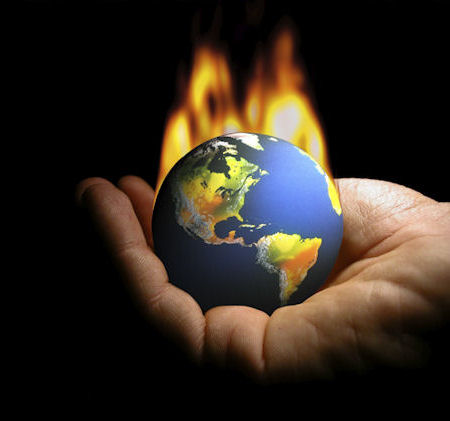
Picture #3: This picture represents a problem that is constantly in the news...humans are causing global climate change. The Inconvenient Truth, by Al Gore, really highlights how we are causing a surge in the amount of greenhouse gases. Ultimately, the earth does need a certain amount of greenhouse gases to sustain life, but we are adding to much greenhouse gas into the atmosphere changing the climate and destroying our world. We are part of the problem, and if we do not change the way we live, the our world’s ability to sustain life could very well be at stake.
Picture #1: This represents the extreme water pollution that occurs in many developing countries. The sad part is that this type of pollution is common and is a growing concern since many of these countries do not regulate waste disposal, which results in this type of pollution. In addition, the pollution we cause today affects many people in the future because this water could have once been a potable drinking water source, but now a lot of money will be needed before anyone will be able to drink water out of this river again.
Picture #2: This picture represents the ever-growing problem of endangered species. People are the cause of many of these organisms near extinction because we hunt, kill, and trade these organisms to the point where they are in danger of being wiped off the planet forever. If humans continue to wipe out more and more species, there will be no more organisms to balance out the food chain/webs, which will ultimately destroy the human population and the world’s biodiversity.
Picture #3: This picture represents a problem that is constantly in the news...humans are causing global climate change. The Inconvenient Truth, by Al Gore, really highlights how we are causing a surge in the amount of greenhouse gases. Ultimately, the earth does need a certain amount of greenhouse gases to sustain life, but we are adding to much greenhouse gas into the atmosphere changing the climate and destroying our world. We are part of the problem, and if we do not change the way we live, the our world’s ability to sustain life could very well be at stake.
Monday, May 9, 2011
Too Many People/ anna cait
To me, sustainability means endurance. It means that as a human race, we are living in a fashion that can continue to support us indefinitely. In order to do this, we must embody an environmental stewardship worldview by using only what we need and allowing other species to use this earth as their home as well.
Today, there are several things that pose a threat to our living sustainable, one of which is population growth. 1.6 million babies per week a
Today, there are several things that pose a threat to our living sustainable, one of which is population growth. 1.6 million babies per week a
re born. In just about 40 years, the
world population is expected to grow from 6.7 to 9.3 billion people. Mos
t of this growth is sourced from China and India, developing countries growing on a large scale. The problem stems from both the sheer volume of people from developing countries that demands huge amounts of resources, but also from affluency in developed countries. Citizens of the United States fro example, like things, and lots of them. When each family has a large house, a few cars, and tons of stuff to fill them with, a lot of resources are used and a lot of waste is produced.
With many technological and medical advancements, we as humans are able to combat natural checks on population growth. Limits that used be in place, such as certain diseases, or even a certain climate that used to be too hot to live in, are now combated
With many technological and medical advancements, we as humans are able to combat natural checks on population growth. Limits that used be in place, such as certain diseases, or even a certain climate that used to be too hot to live in, are now combated
with vaccines and air conditioning. Many are worried about a solution to this problem, as most people feel it is an invasion of their privacy for their reproduction to be regulated. Acknowledging that at this moment one out of five people do not have their basic needs met, and we have another 2.6 billion on the way, it is obvious that we have a big problem.


Picture #1 This picture is from The Story of Stuff. It displays the crisis we

are in in America. The president recommended that citizens shop to help the economy. By saying that we need more and more stuff in order to have a strong nation, people receive a distorted message about priorities from their leader.
Picture #2 This diagram depicts a modern landfill in developed countries. It represents progress and how new technolo
gies are helping to keep our earth clean. The leachate collection system is designed very carefully to ensure nothing leaks into the groundwater supply or soil and contaminates it.
Picture #3 The recycle sign looks simple. However, it represents that many people believe that by simply recycling they are "being green". In reality, recycling should be a no brainer and perhaps required by the government. It is important to remember that recycling is the last resort. The principles of reduce and reuse should be applied first.
That's all for now folks :)
Friday, April 22, 2011
APES the Final Assignment
The FINAL Assignment -Sarah Bass
A Cause...
A Cause...

An effect...
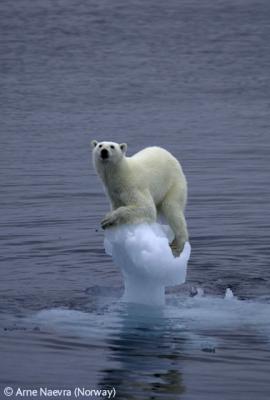
A solution...

The textbook defines sustainability as “the ability of the earth’s various natural systems and human cultural systems and economies to survive and adapt to changing environmental conditions indefinitely”. To me, sustainability means putting need over want and personal sacrifices. To me, sustainability means putting need over want and personal sacrifices. In order for us to achieve sustainability, we must sacrifice buying and using things that harm our environment and serve us personally and try to lead lives that sustain our environment.
When people think about sustainability and environmental problems affecting it, most think about pollution but no usually poverty. In my opinion poverty is one of the world’s biggest environmental problems that cause many other problems. The daily lives of half of the world’s people, who are trying to live on the equivalent of less than $2 a day, are focused on getting enough food, water, and cooking and heating fuel to survive. Many of these countries are lacking economically and resort to cheap fuel sources such as coal which is very harmful to the environment and can result in industrial smog. Because these people have a mind-set that focuses in on their short-term survival, this can result in depleted and degraded soils, forests, fisheries, grasslands, and wildlife. Although the depletion and degradation of natural resources is a significant impact environmentally, one of the biggest negative effects is population growth. The world is growing at such a rapid pace in different parts of the world and we are beginning to fear what might happen when we run out of resources and space. Many families in developing countries have many children in an attempt for survival. Their children work on farms, help support the family, and tend to the elderly, especially since they do not have any proper form of health care in most cases.Although poverty causes environmental problems, it is also affected by environmental degradation and pollution. Pollution of waterways in developing countries is a huge issue and cause many health problems that can be deadly because of lack of proper medical attention such as dysentery caused by sewage and dirty water sources. Lack of proper food and nutrients is also a major issue in these countries as well. The growth of the population and poverty go hand in hand and perpetuate each others growth. In order to solve this issue more education is key, especially in women and birth control.
Pictures:
#1- This picture comes from India and represents the poverty. A big eye-opener in this course was the rapid growth of the world population. I did not realize how severe this has become and how much poverty caused other environmental problems.
#2- Global warming is more than just sad polar bears being stranded in open water. Global warming was also a scary reality that we learned about. It was interesting learning about all of the specifics beyond the facts about the ice melting. Global warming affects everyone and the climates around the world.
#3- This cartoon picture represents waste reduction. As a part of the 3 R’s, (Recycle, Reuse, and Reduce) it serves as one of the most important. After seeing the video “Trash inc.” as a part of one of our assignments, I was enlightened about a problem we are facing today. The growing amounts of garbage along with the population is a huge problem because one day we wont be able to support all of the people and trash in this world.
This course has been an eye-opener and has changed my views on sustainability and the environment.
Thursday, April 14, 2011
APES: The FINAL Assignment
One of the goals of environmental science is to "learn how we can live more sustainably without degrading our life-support system." (Miller, LITE). Now that you've completed the course, I'd like you to reflect on what sustainability means and how your ideas have changed through the year.
Your posting should include the following:
1. Define sustainability, and discuss the major issues you feel are most problematic and preventing us from living sustainably. Be specific--show me that you've been attentive to the course.
2. Insert 3 images that that summarize your experience in APES. Include at least 3 sentences describing why you chose the image. Relate the image to your learning in APES. You may use photos, maps, cartoons diagrams, etc. Perhaps you are more scared about the issues facing us, perhaps you are more hopeful, perhaps one topic opened your eyes to information you never knew about. I want you to really think about what you learned this year and what affected you personally.
Your posting should include the following:
1. Define sustainability, and discuss the major issues you feel are most problematic and preventing us from living sustainably. Be specific--show me that you've been attentive to the course.
2. Insert 3 images that that summarize your experience in APES. Include at least 3 sentences describing why you chose the image. Relate the image to your learning in APES. You may use photos, maps, cartoons diagrams, etc. Perhaps you are more scared about the issues facing us, perhaps you are more hopeful, perhaps one topic opened your eyes to information you never knew about. I want you to really think about what you learned this year and what affected you personally.
Subscribe to:
Posts (Atom)